Four generations of bamboo craft inheritance – He Minwen
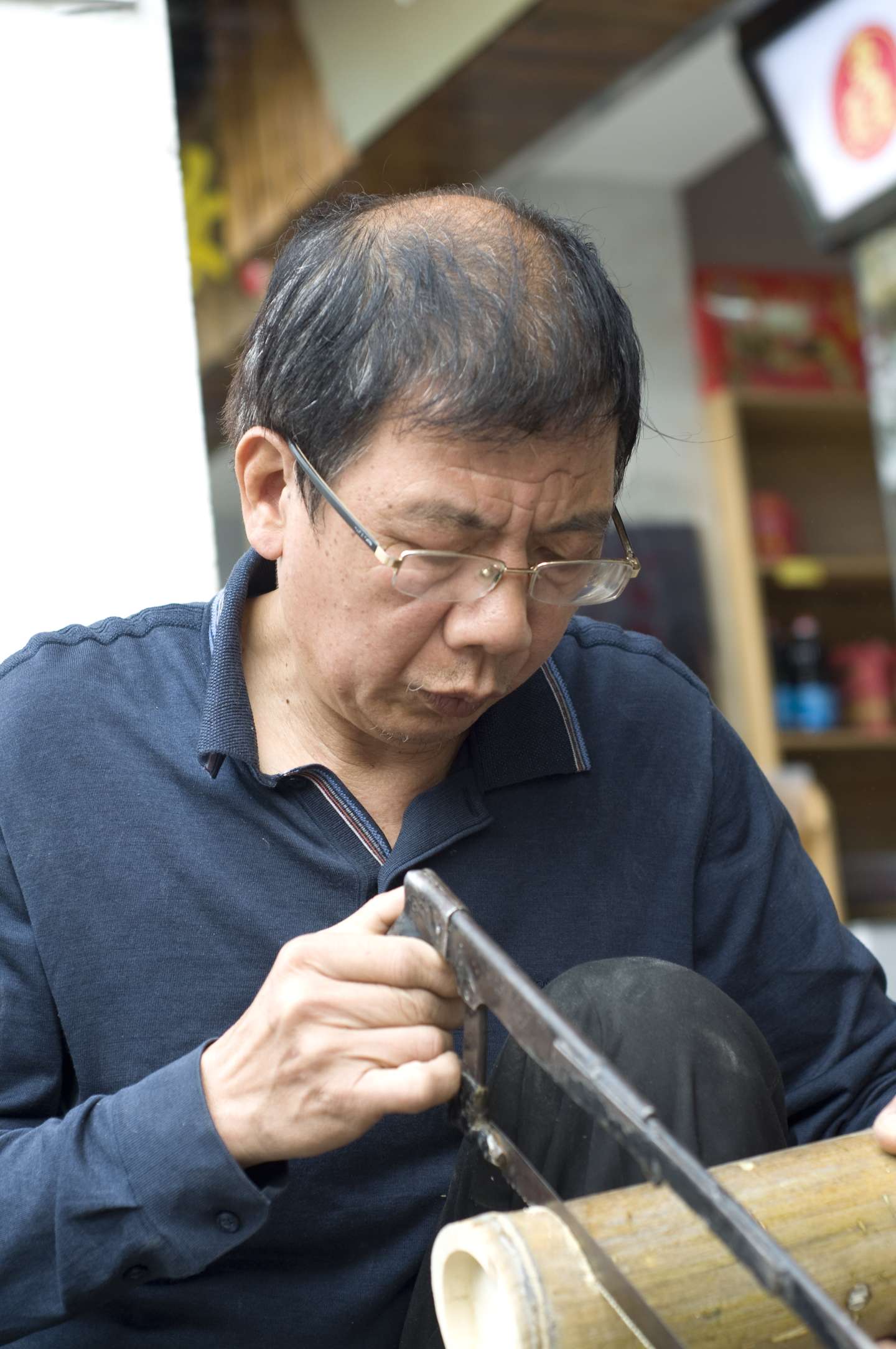
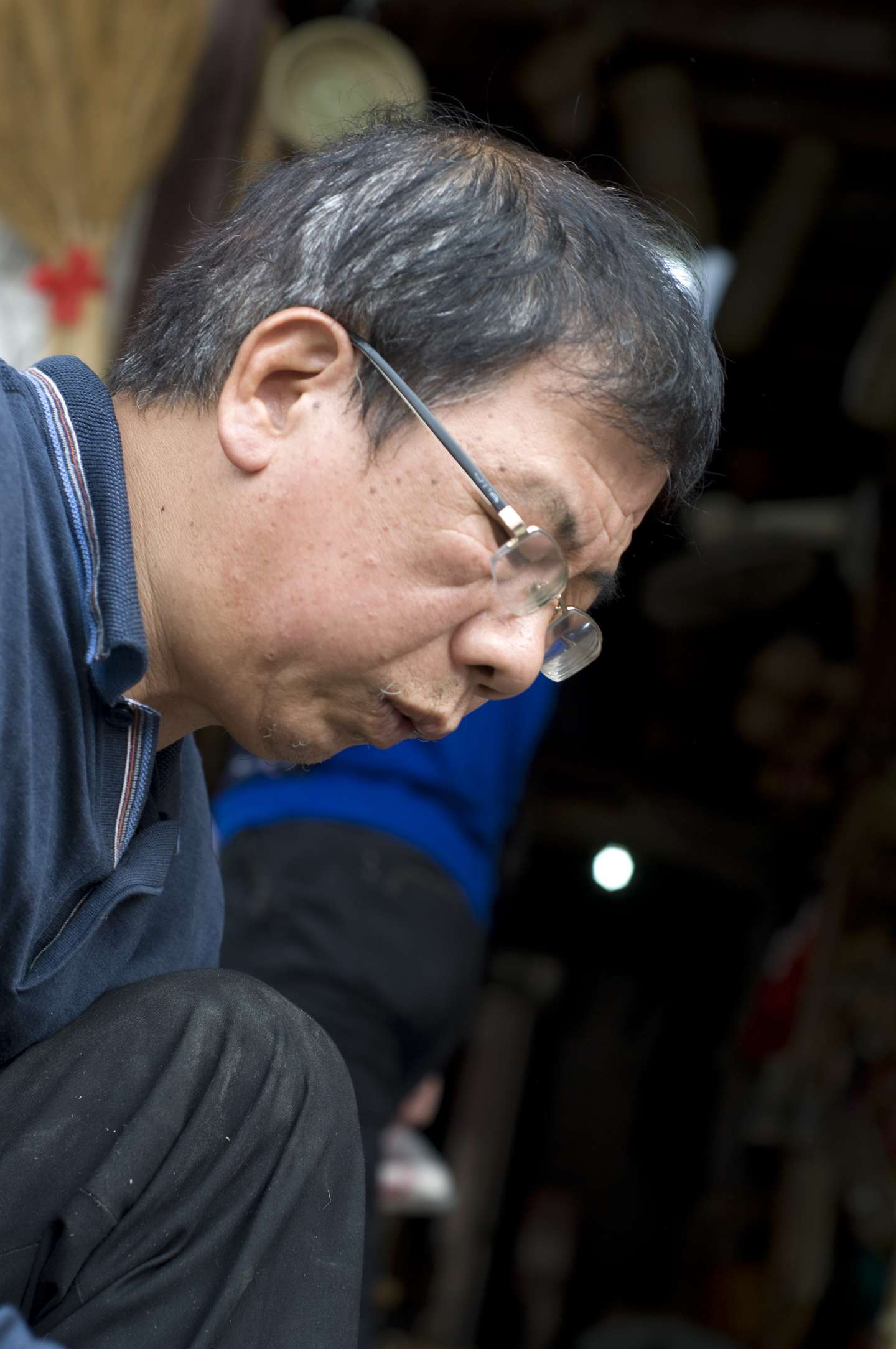
He Minwen, the fourth-generation inheritor of Fuzhou Hejia Bamboo Art.
A bamboo dragonfly, a bamboo flute, a doll bamboo standing chair, and childhood toys have accompanied the childhood memories of generations. Bamboo ware used to be one of the old craftsmanship that the old Fuzhou people are most familiar with, but it is declining day by day.
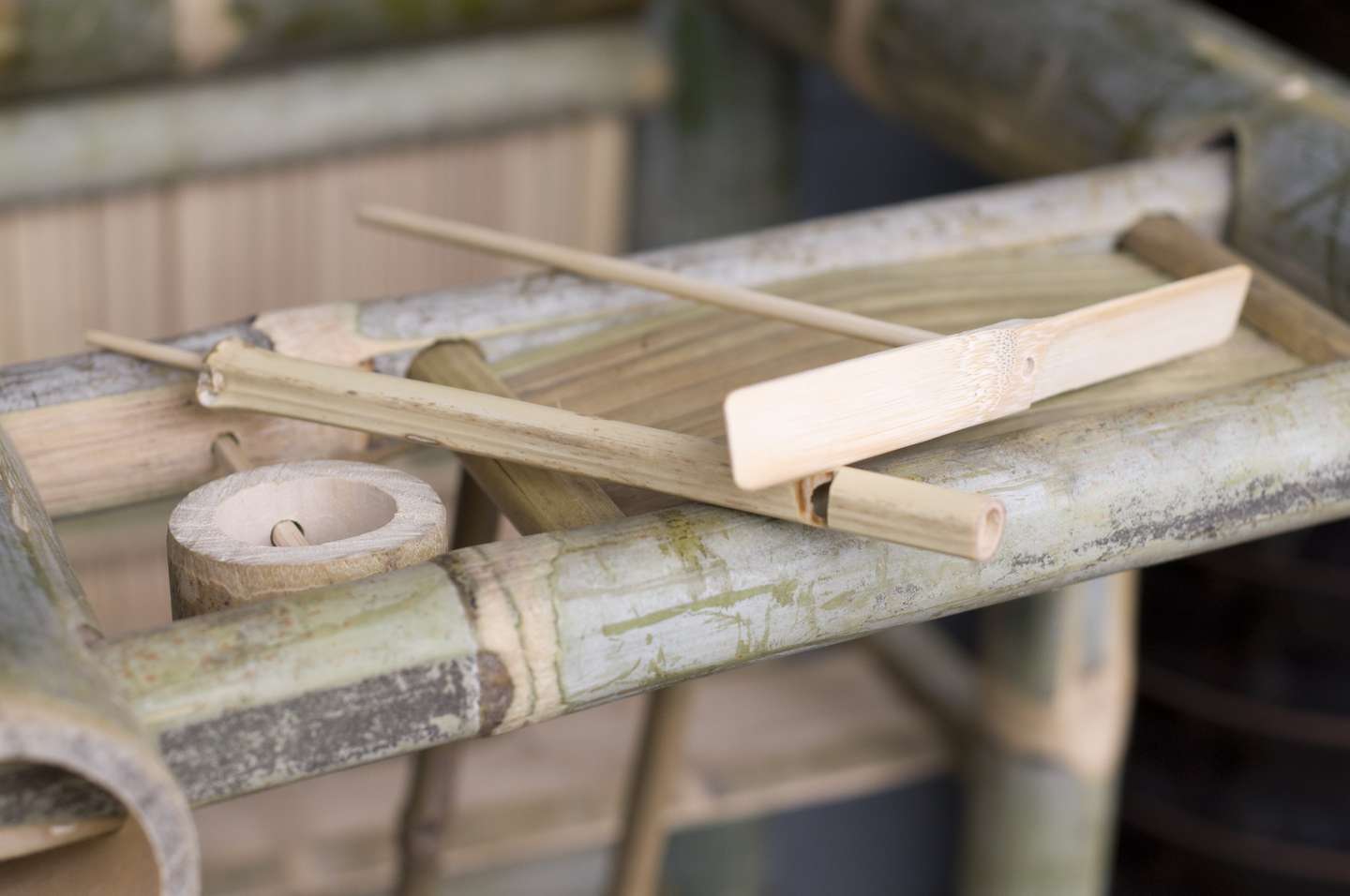
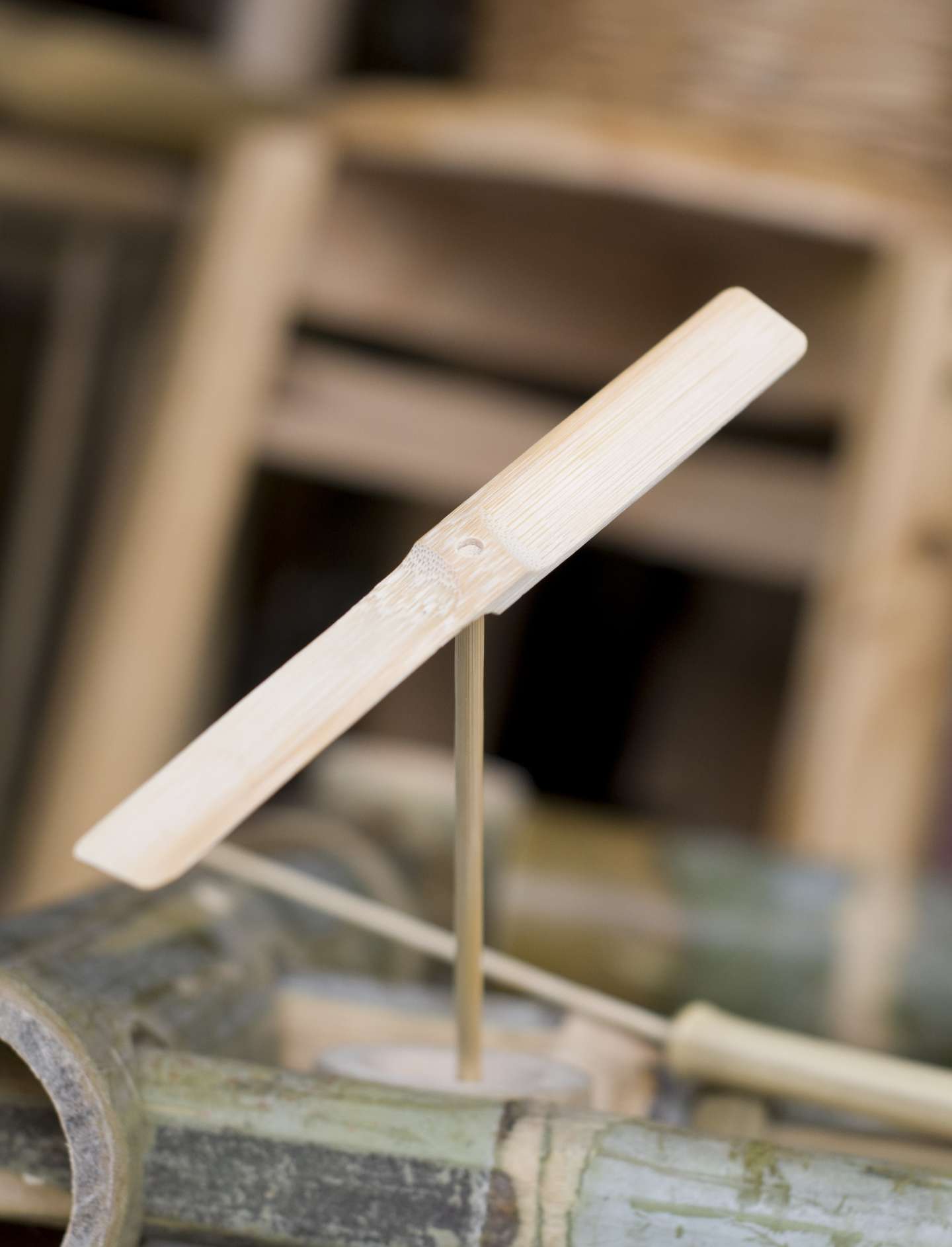
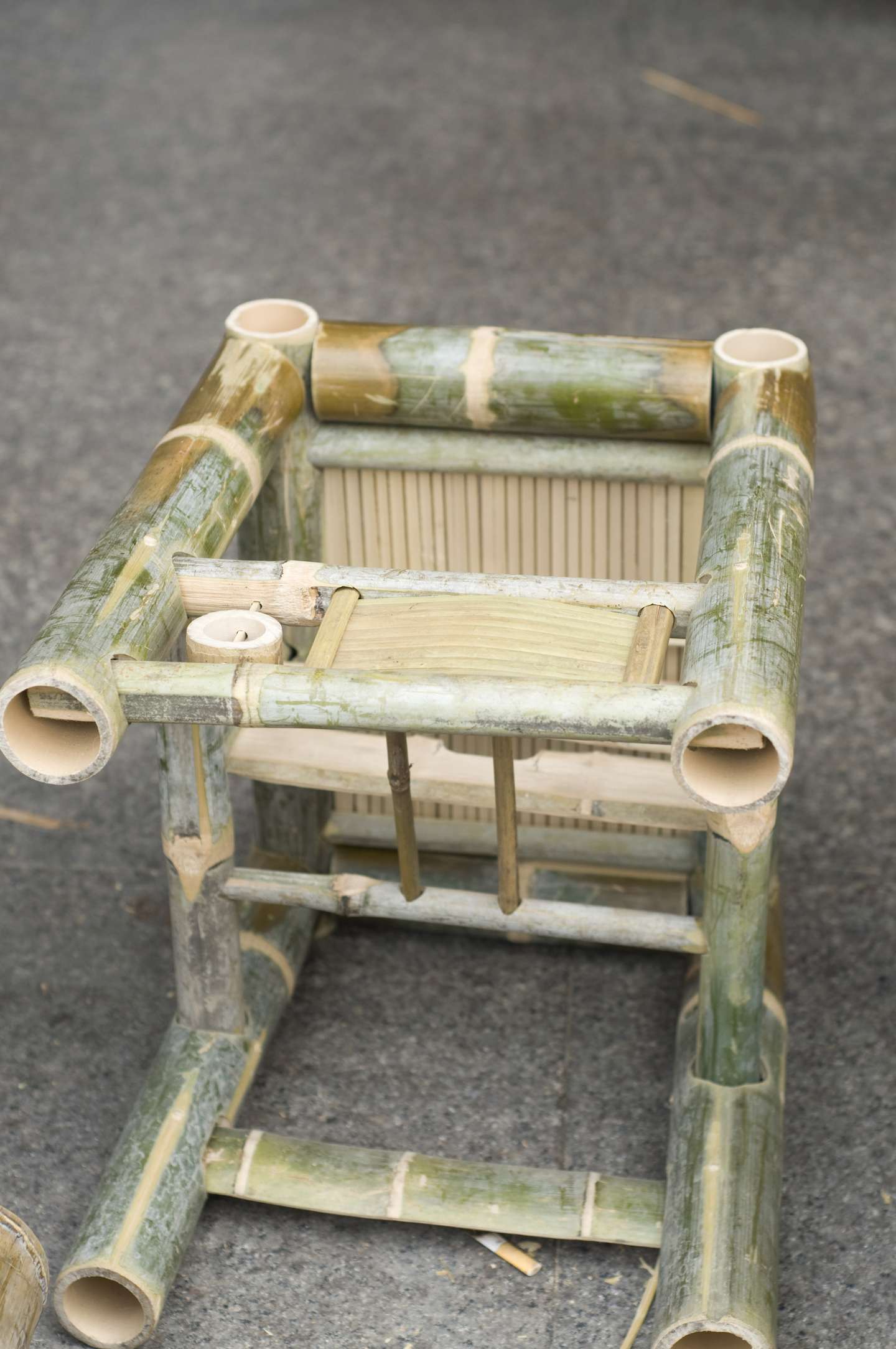
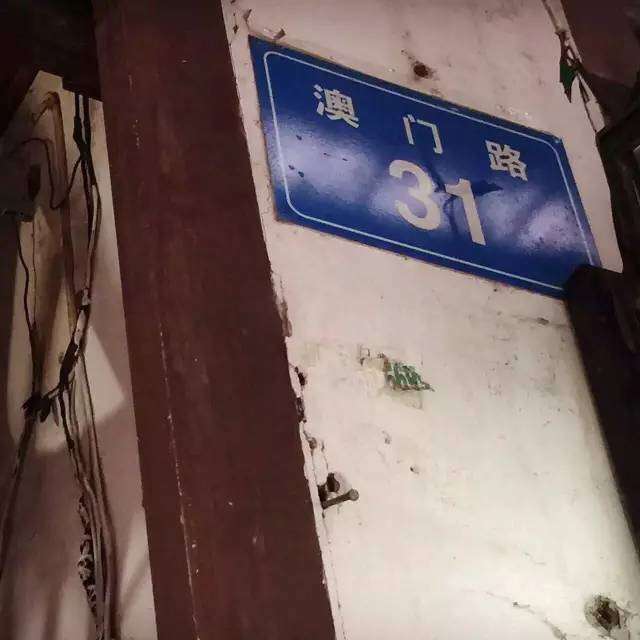
Walking into Master Ho’s shop at No. 31 Macau Road, the fragrance of bamboo overflows, and the time is immediately reversed, and the past is picked up again.
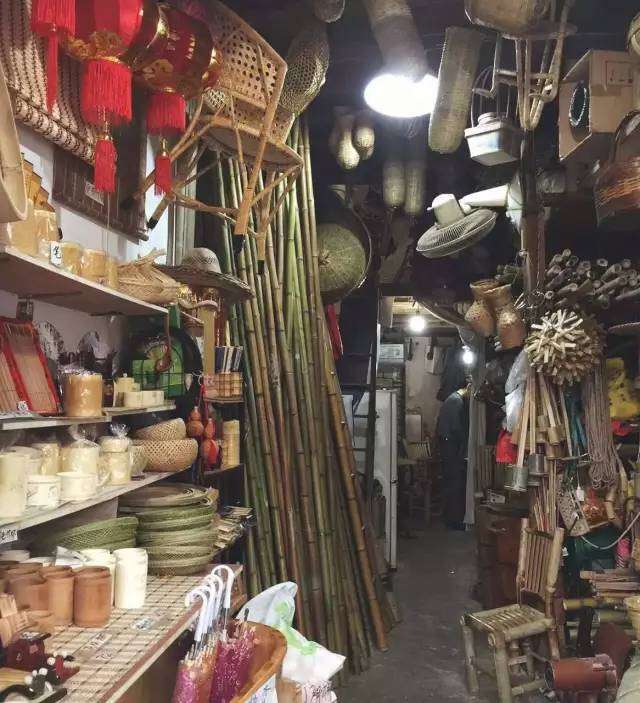
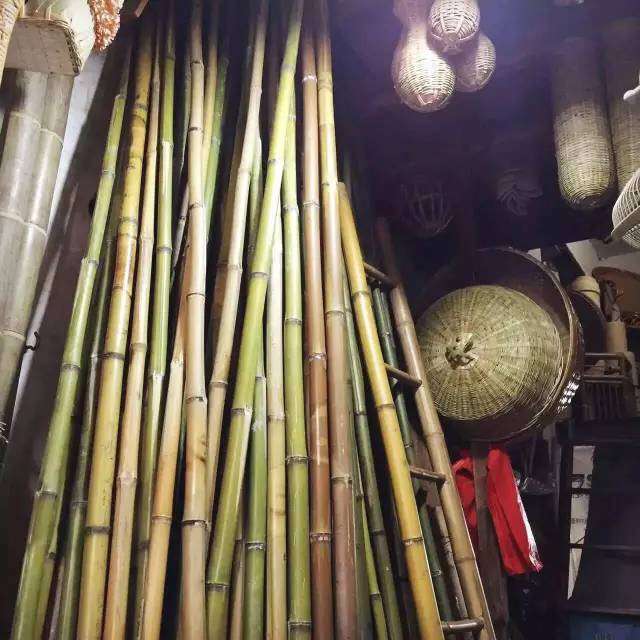
Bamboo weaving can be traced back to the Neolithic Age, when our ancestors were able to use bamboo to weave utensils. Good bamboo grows in a mountain stream, and it is even better if there is water flowing there. The landforms of Fujian provide bamboo with a superior geographical environment, which undoubtedly provides the best raw materials for bamboo ware.
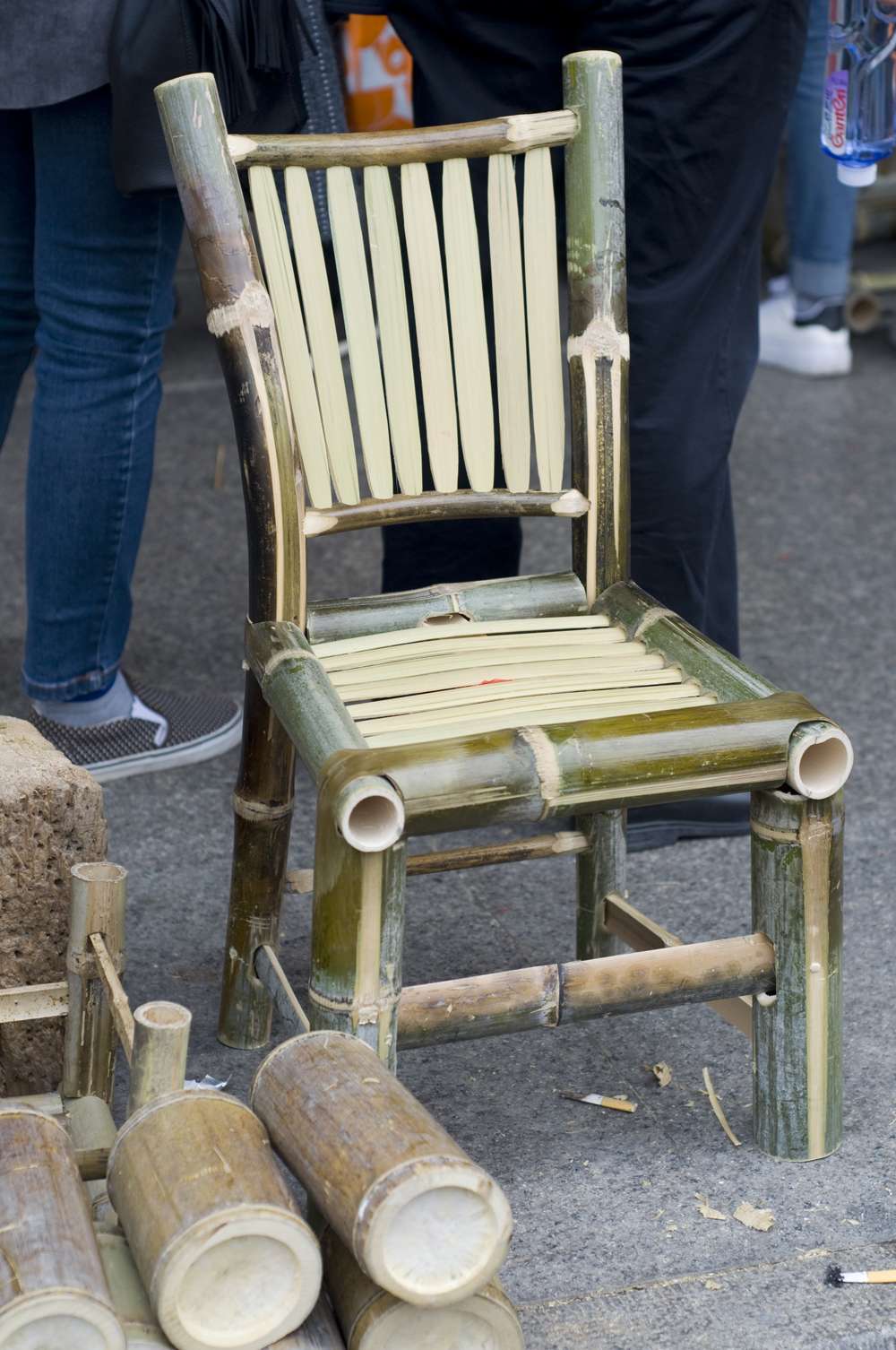
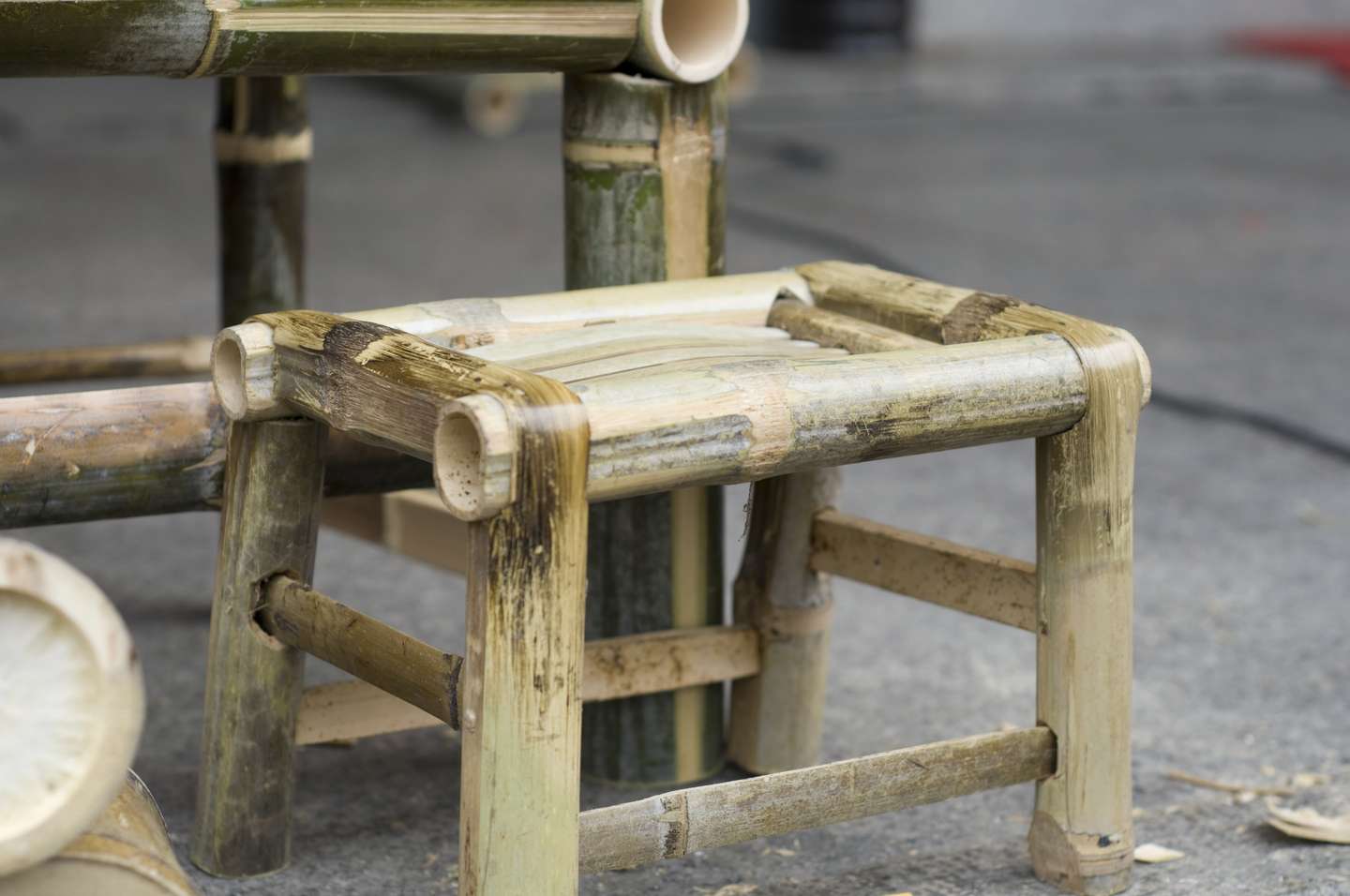
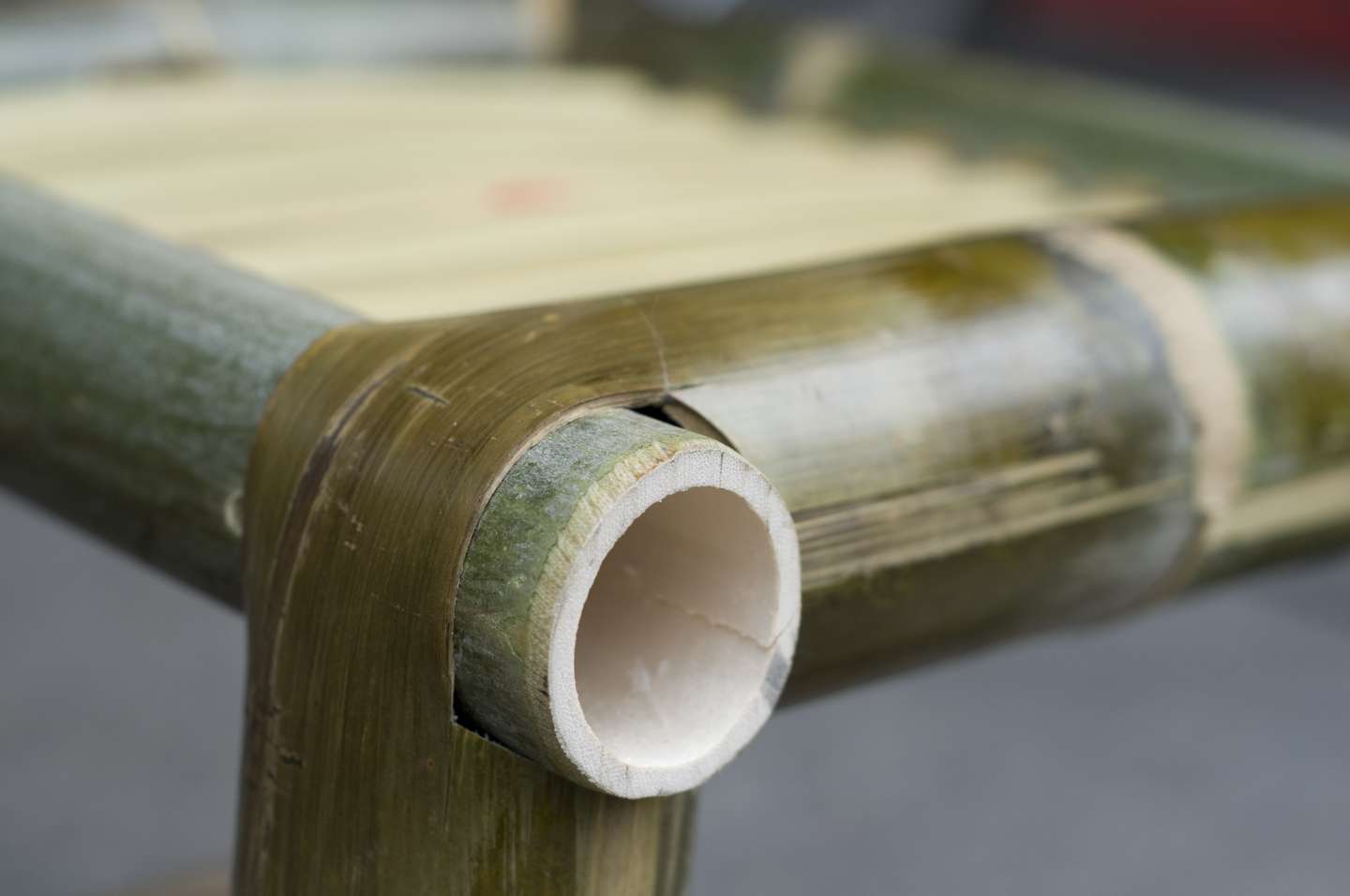
Master He said that the selection of bamboo is also very particular. Different varieties of bamboo have different fibers, different toughness, and different plasticity; the thickness of bamboo shoots unearthed determines the thickness of bamboo, so the bamboo utensils produced can be selected according to the required shape.
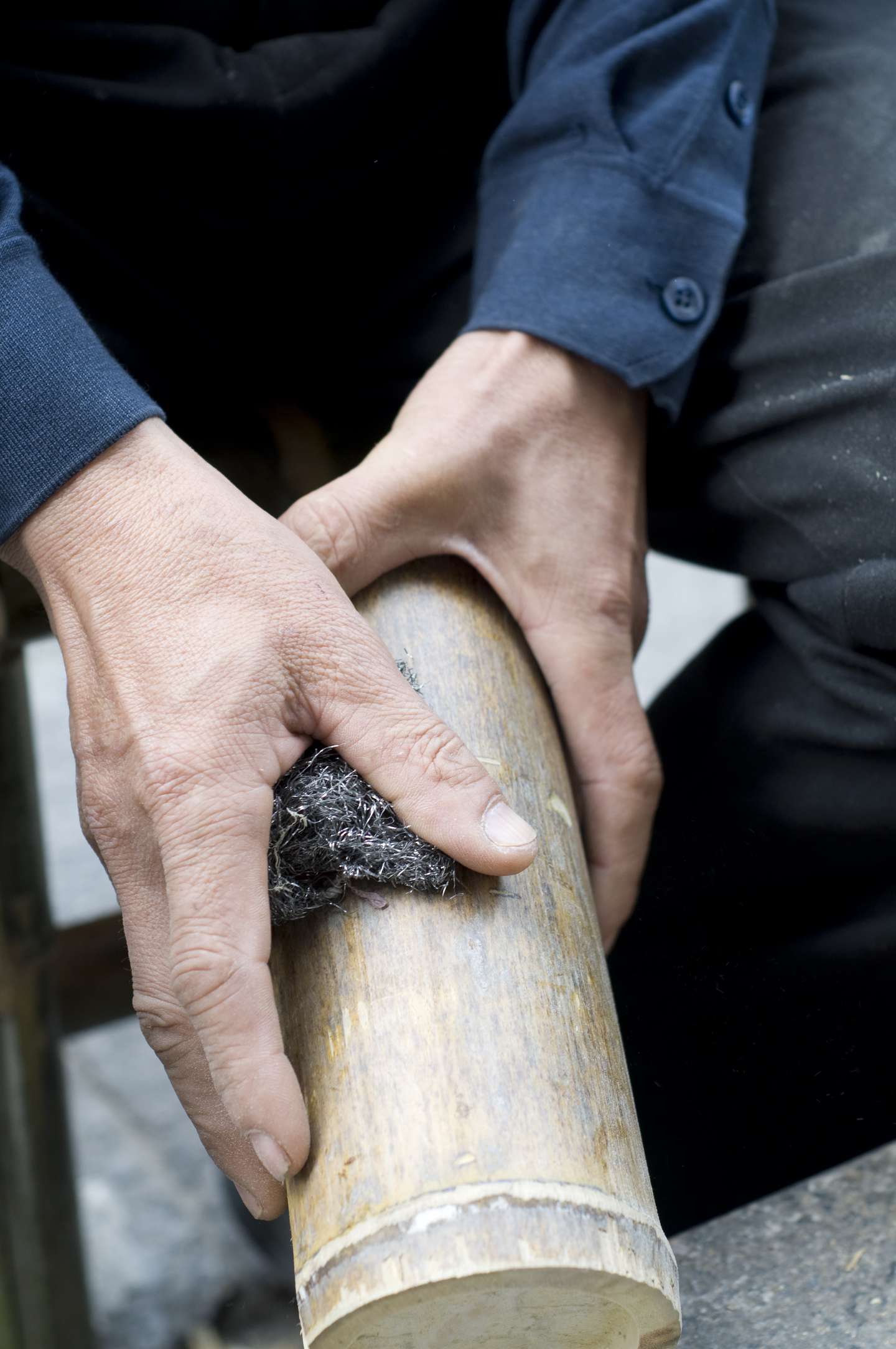
Bamboo root is used to make bamboo tube rice. First, polish the surface of the bamboo with a steel wire ball, measure the width and length to be cut, cut both sides with a saw, and knock it in with a sharp knife.
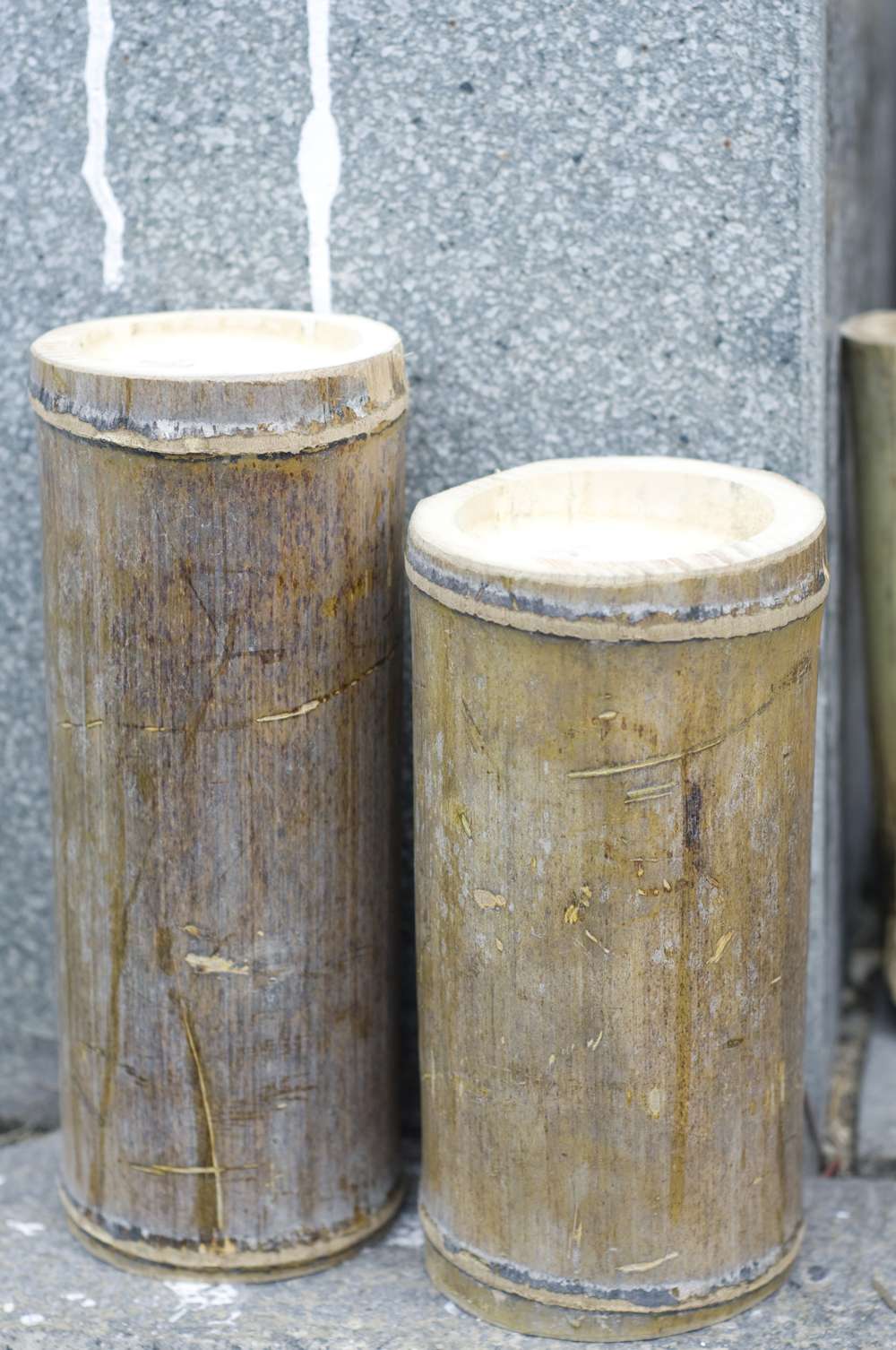
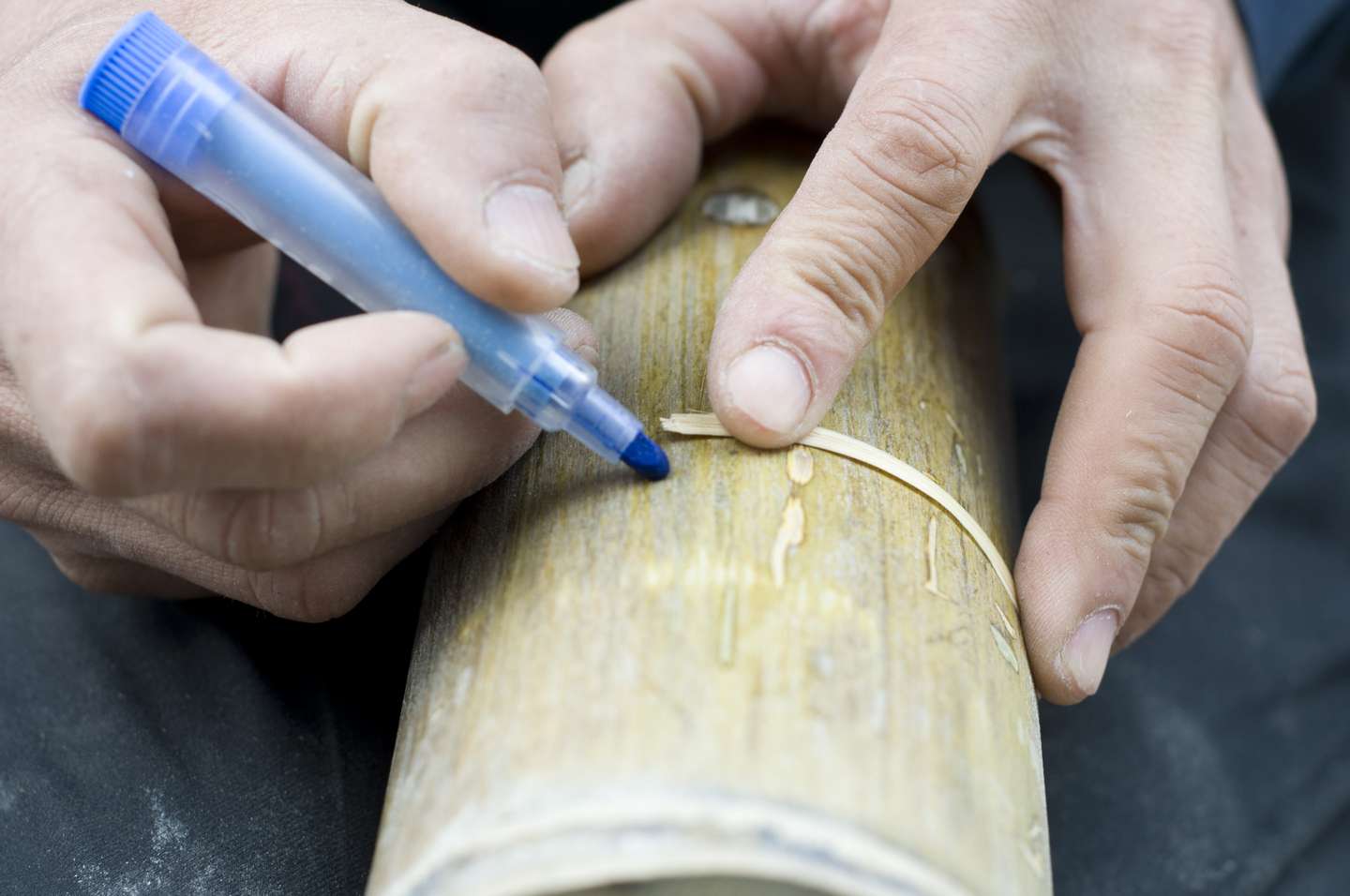
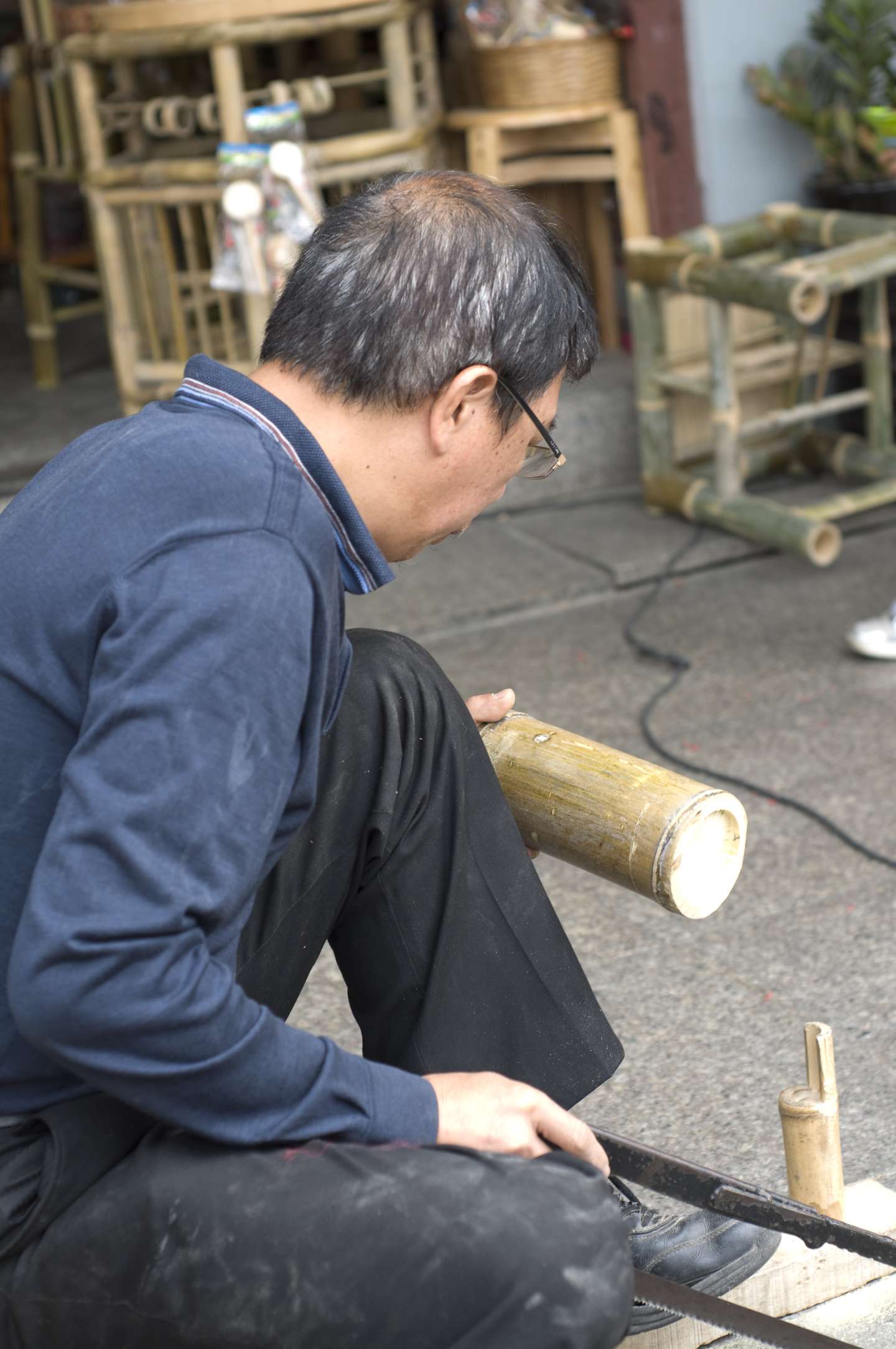
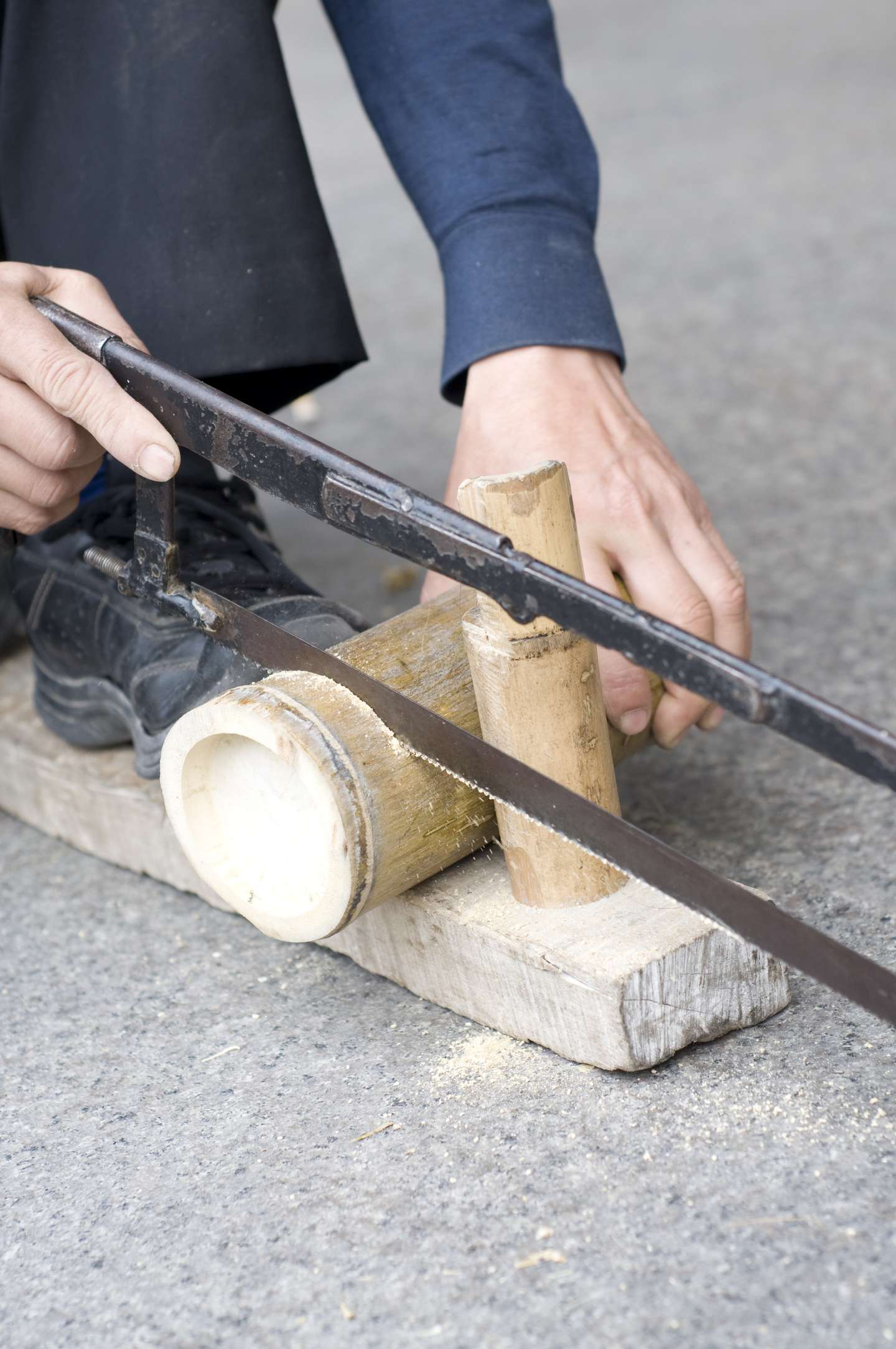
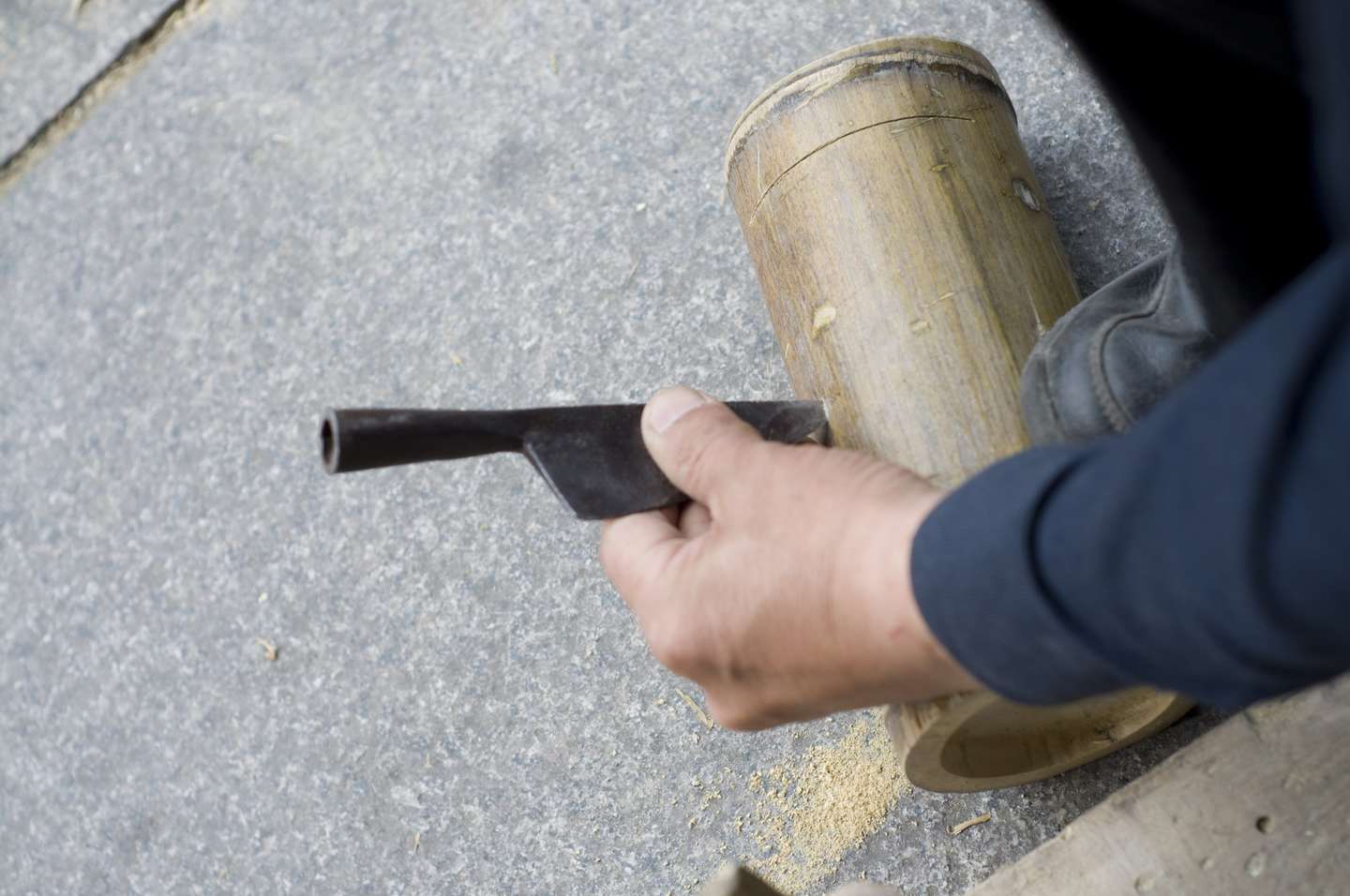
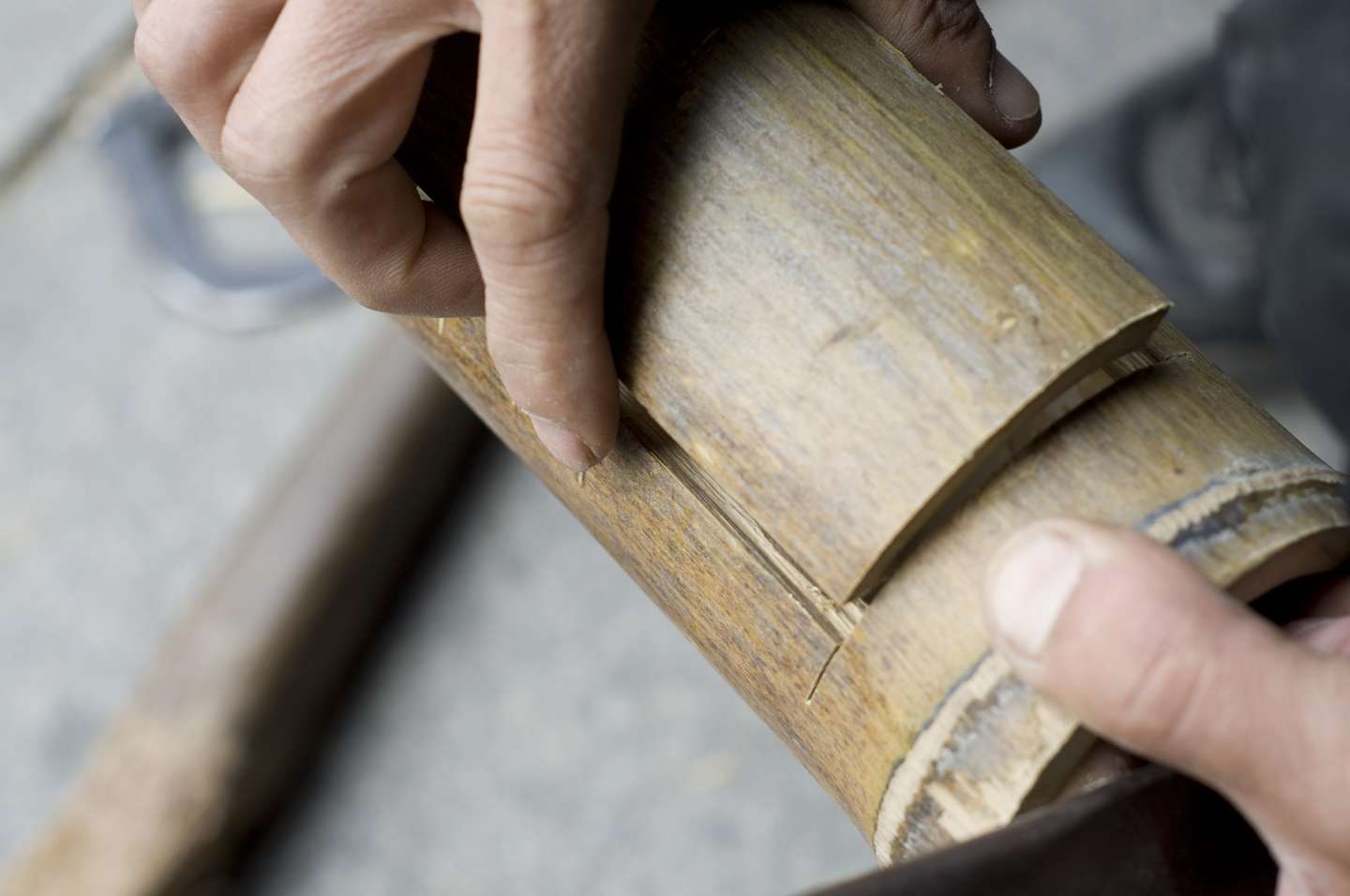
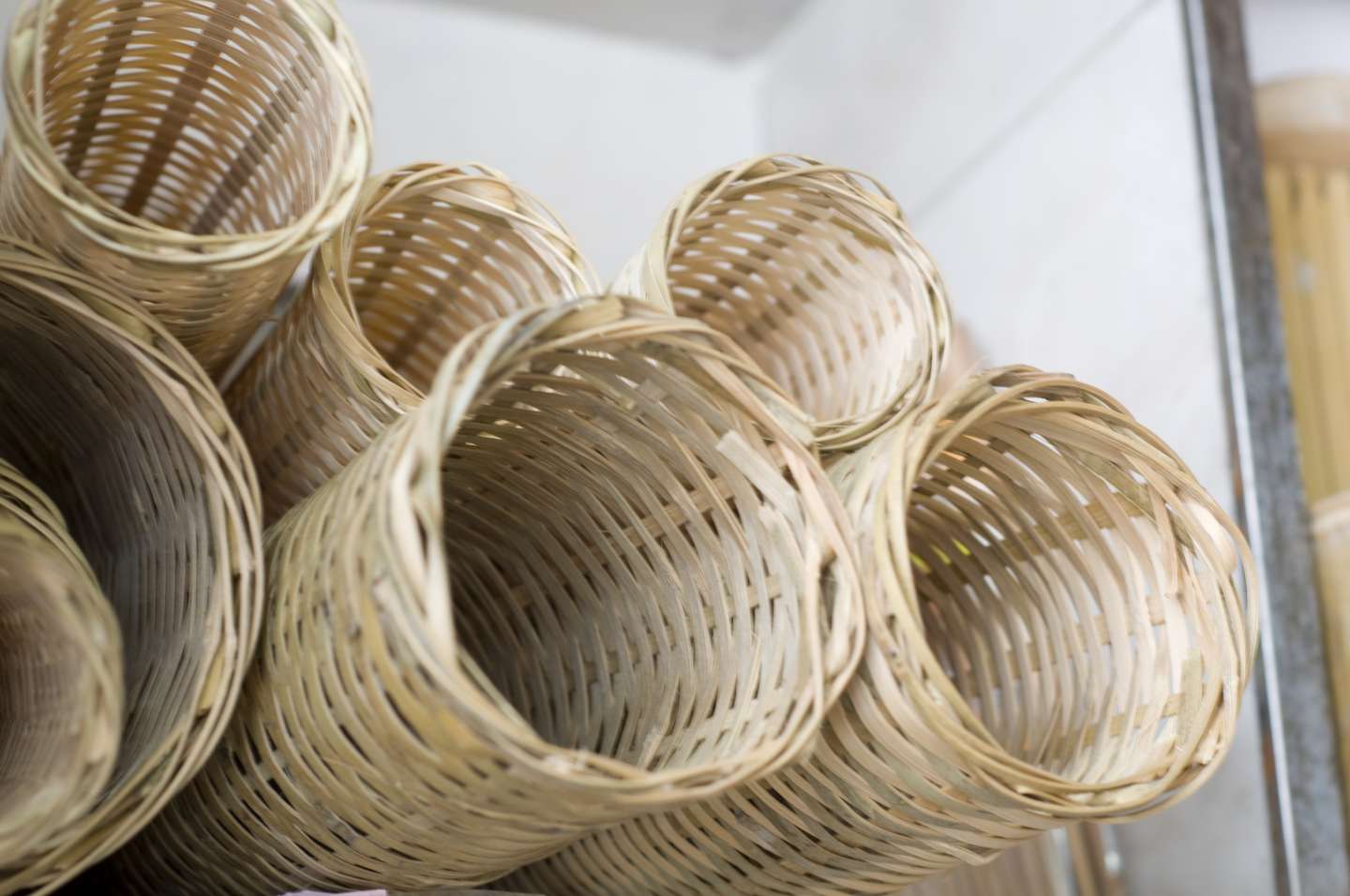
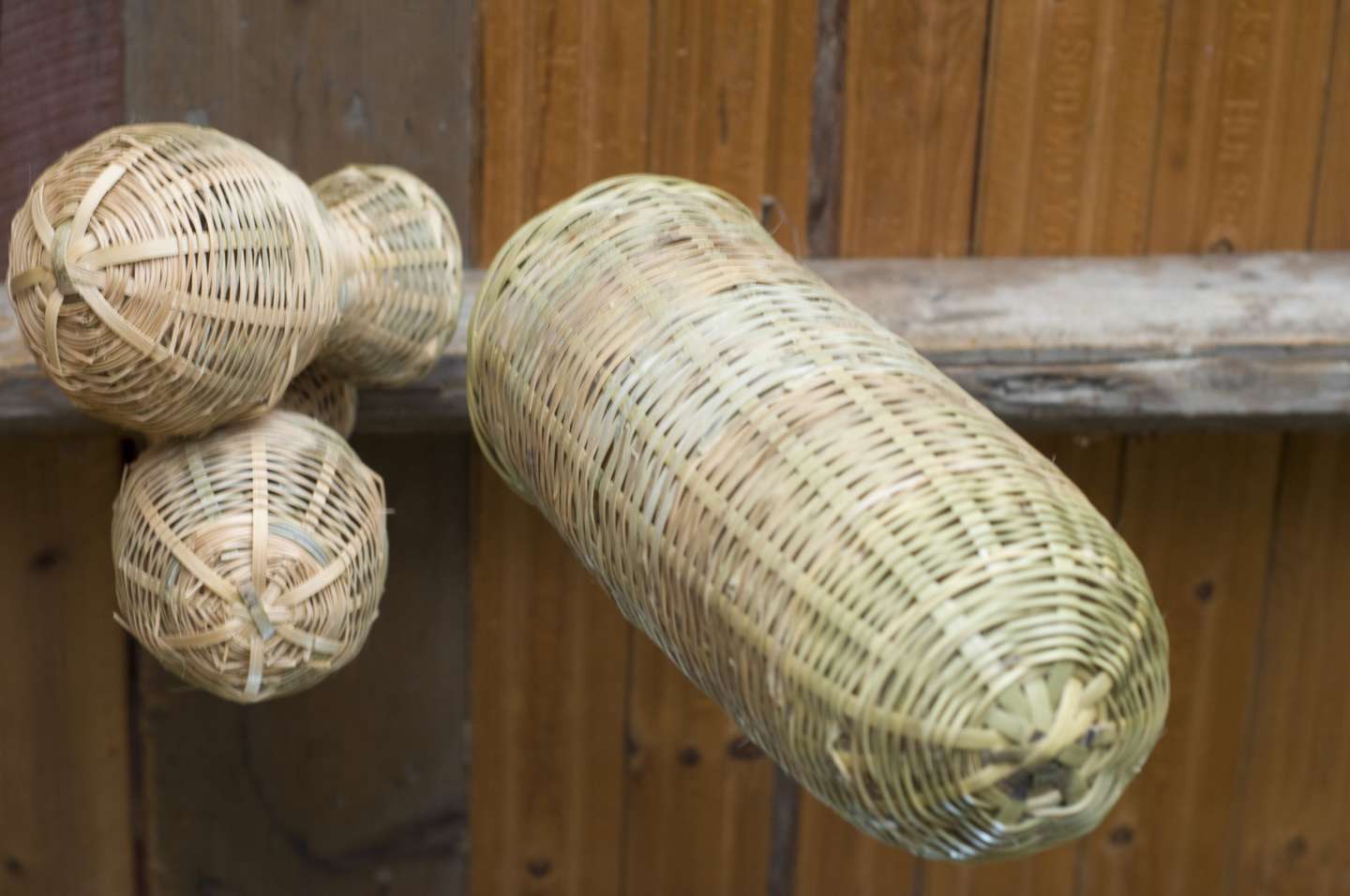
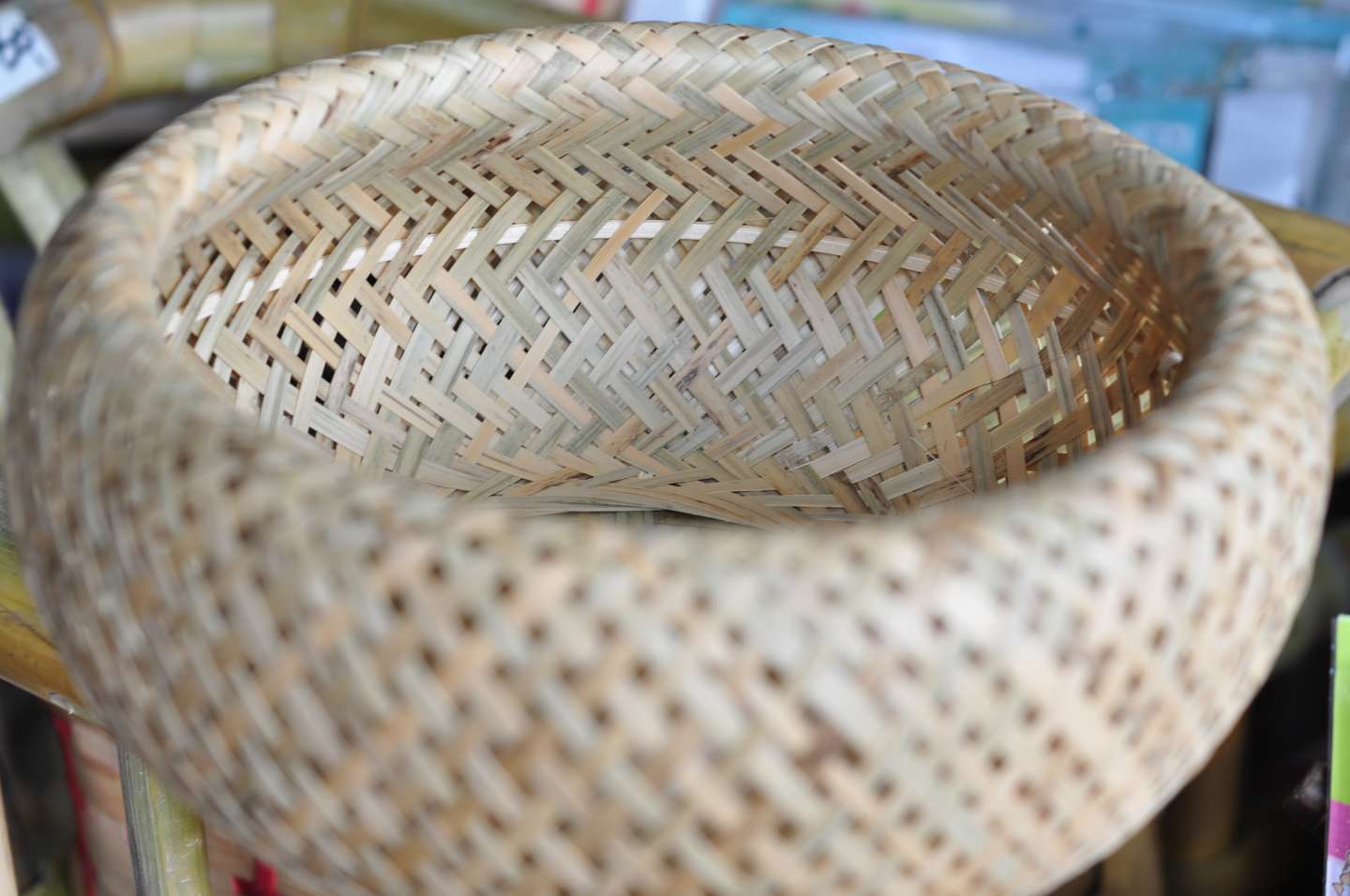
Bamboo’s natural characteristics are hard, breathable, durable and healthy. It is made into daily necessities and is safe and environmentally friendly. Thick bamboo pieces can be made into wine beaters, baskets, dustpans, steamers, etc.
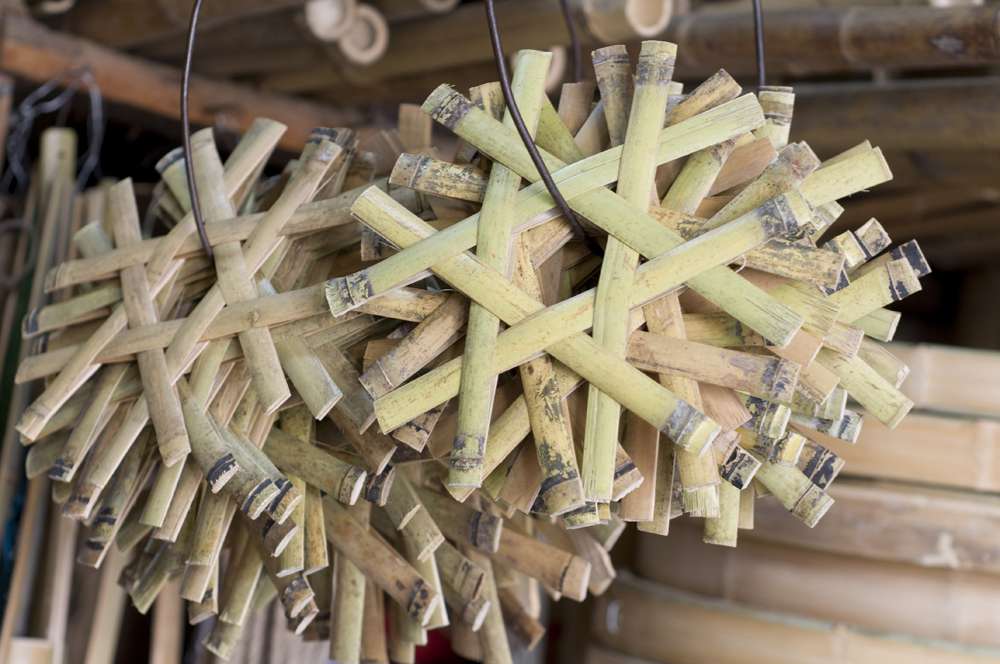
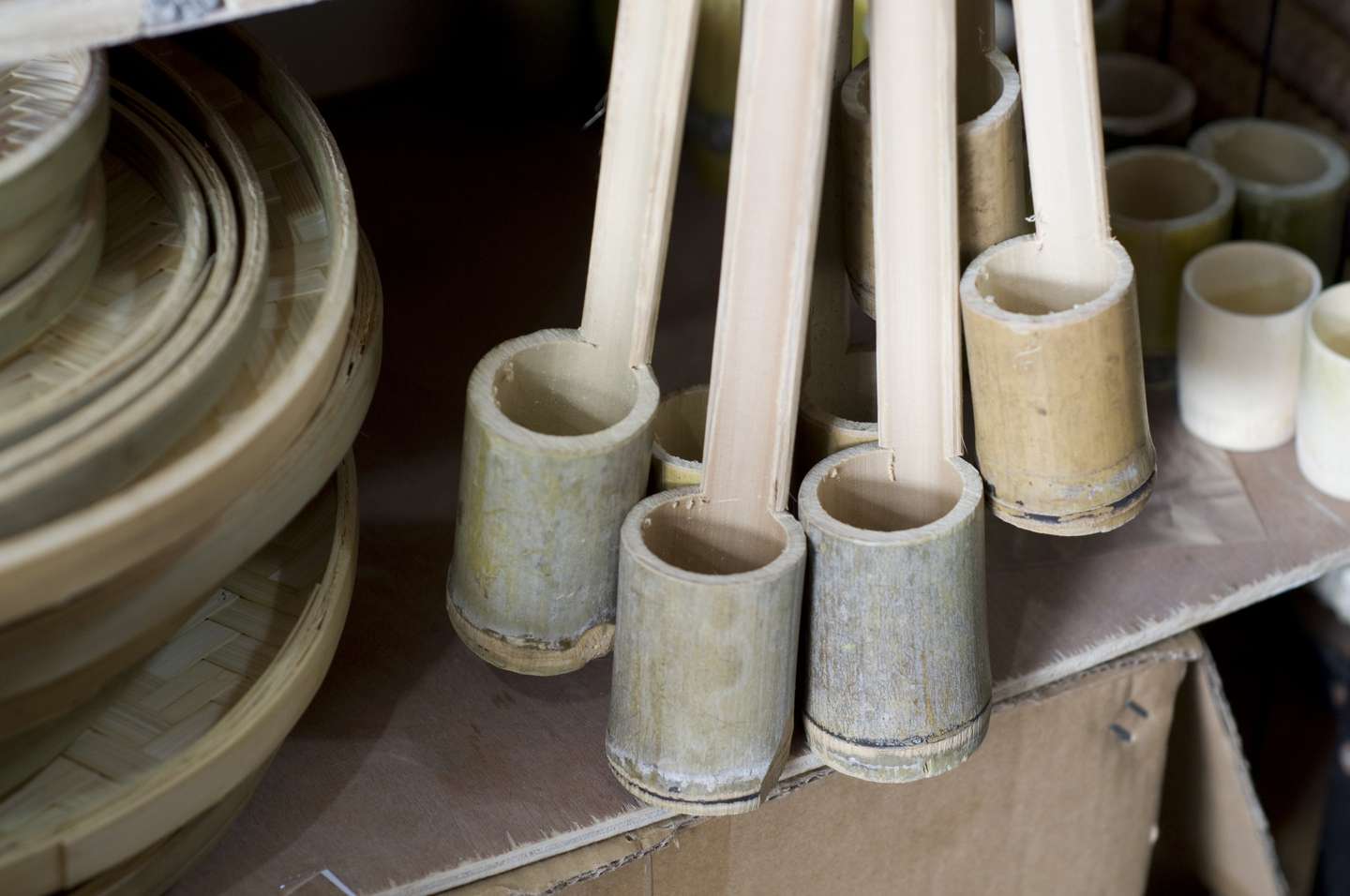
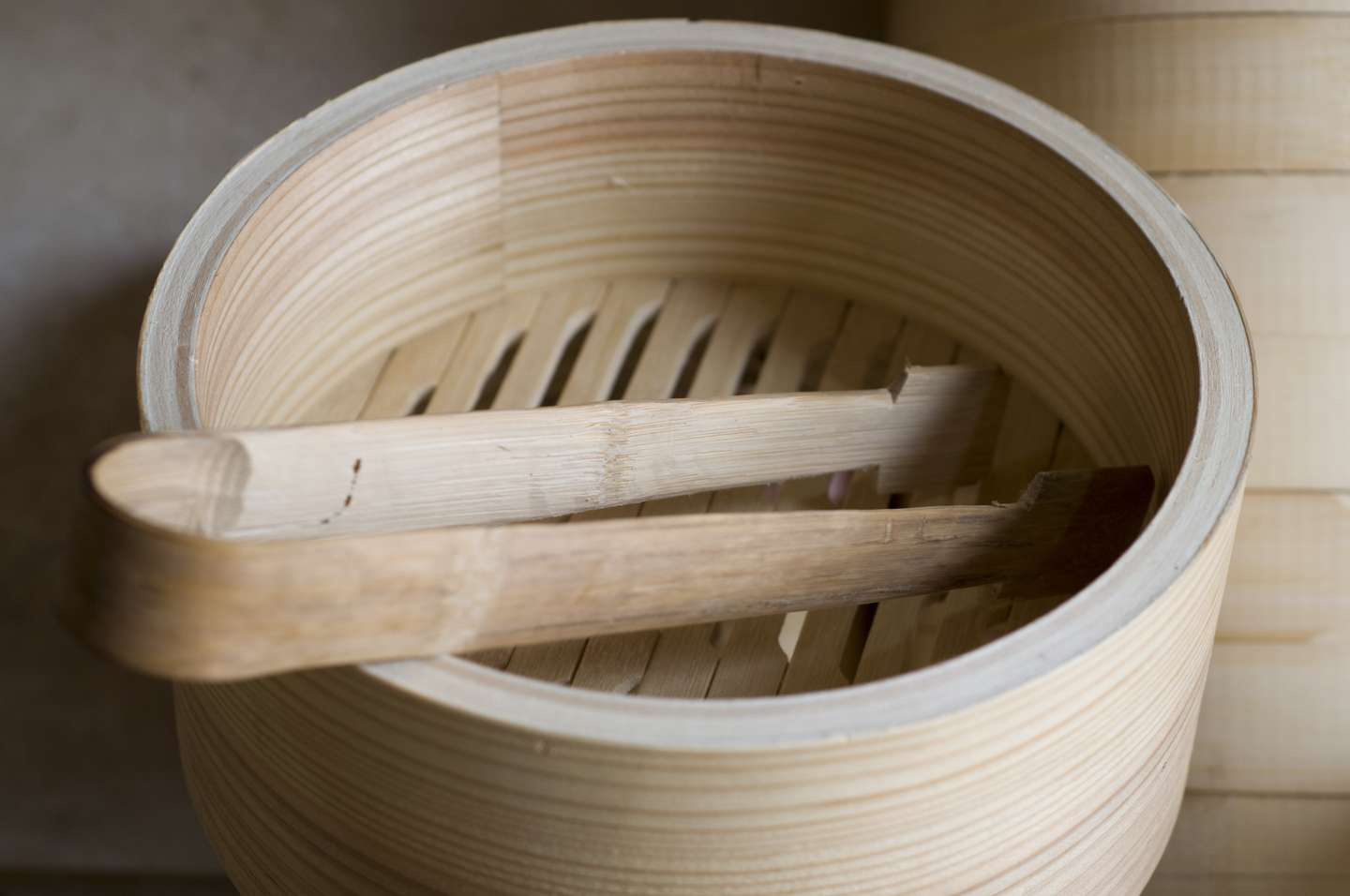
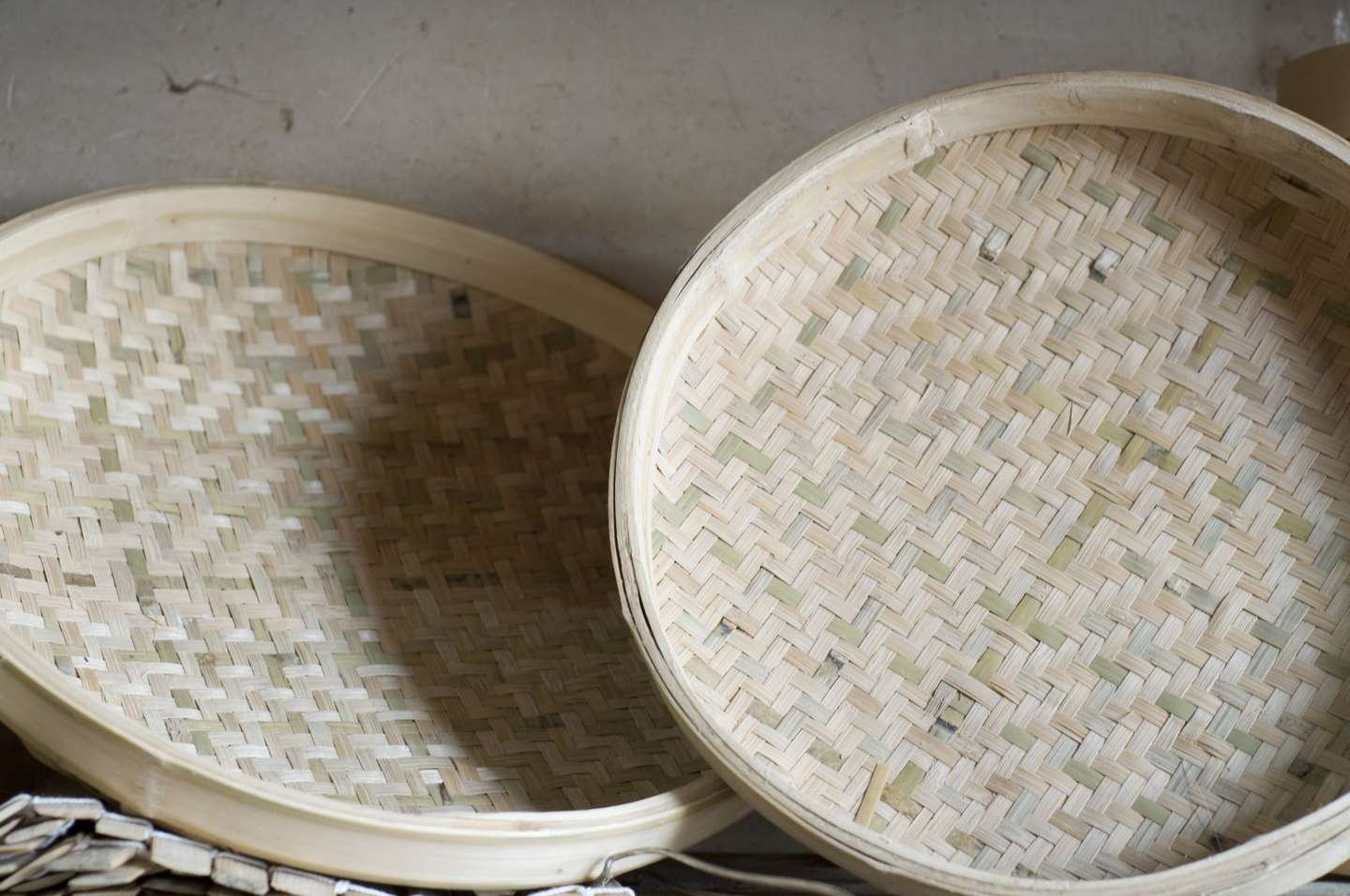
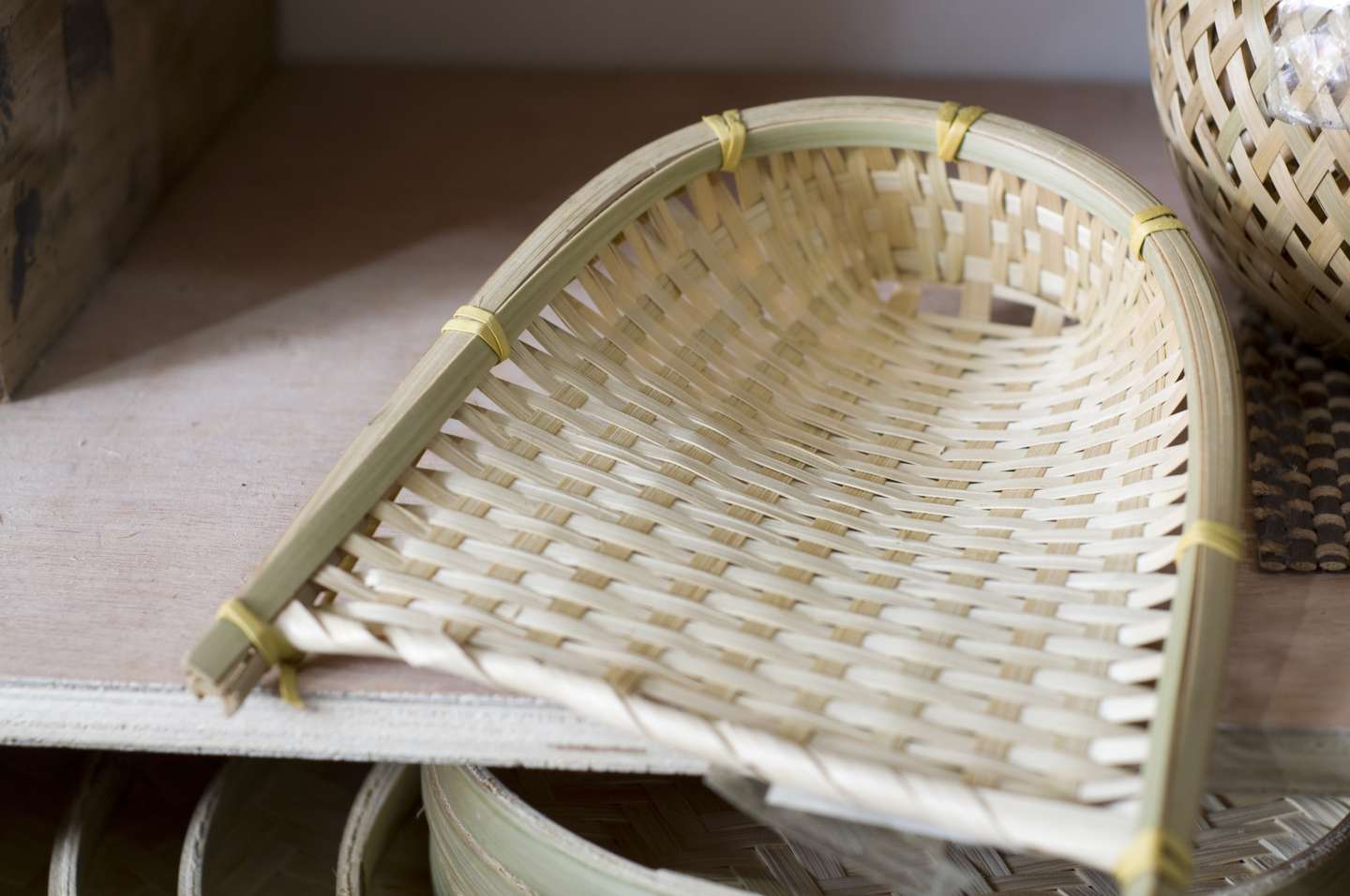
The thin ones are called bamboo strips, and the sections of the bamboo strips used for weaving bamboo ware are all rectangular. First, cut the bamboo into bamboo strips of different widths, and then continue to separate the bamboo strips with a uniform knife. There are strict requirements on thickness and thickness, and the thinnest can be one or two hairs thick.
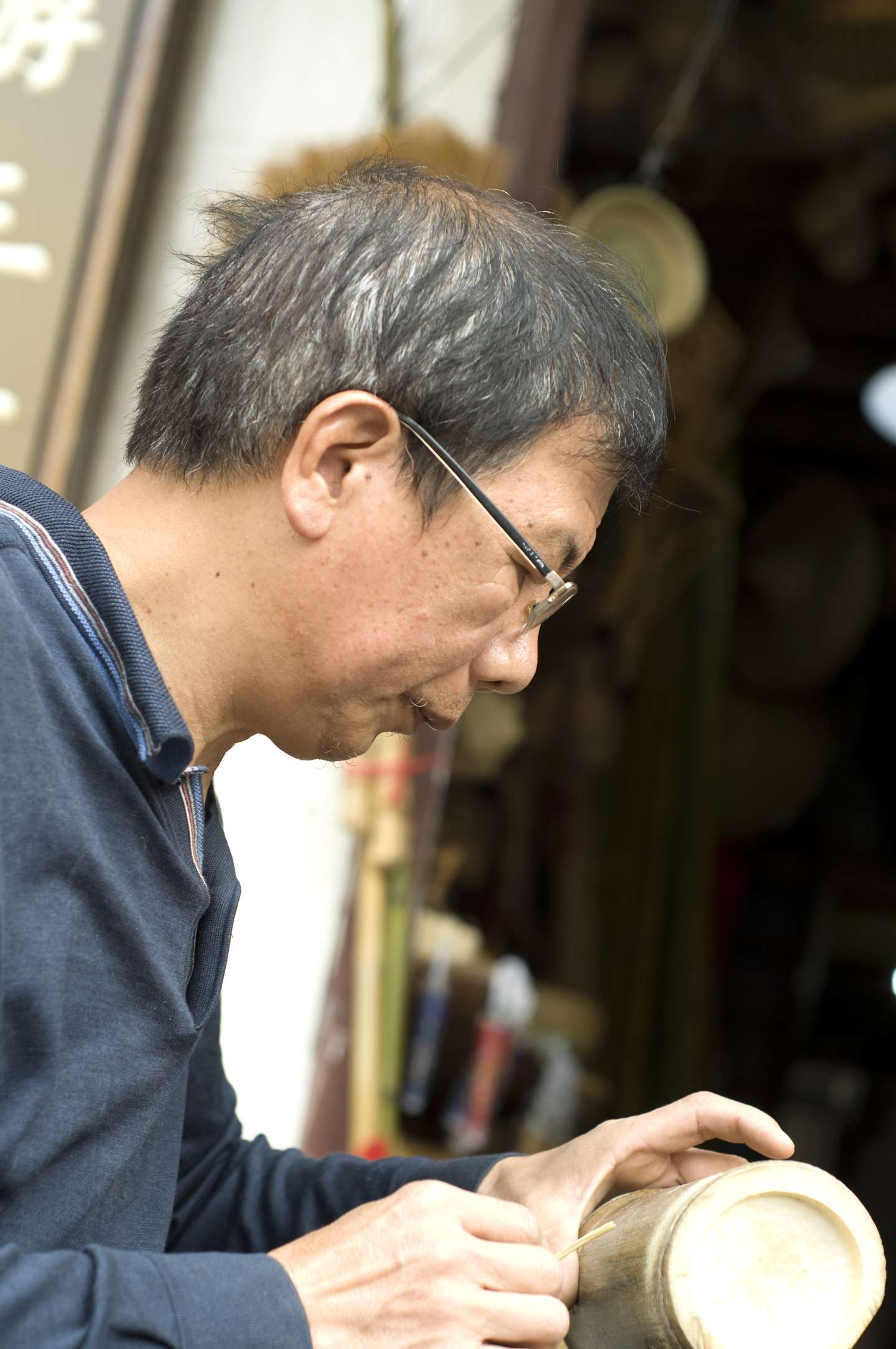
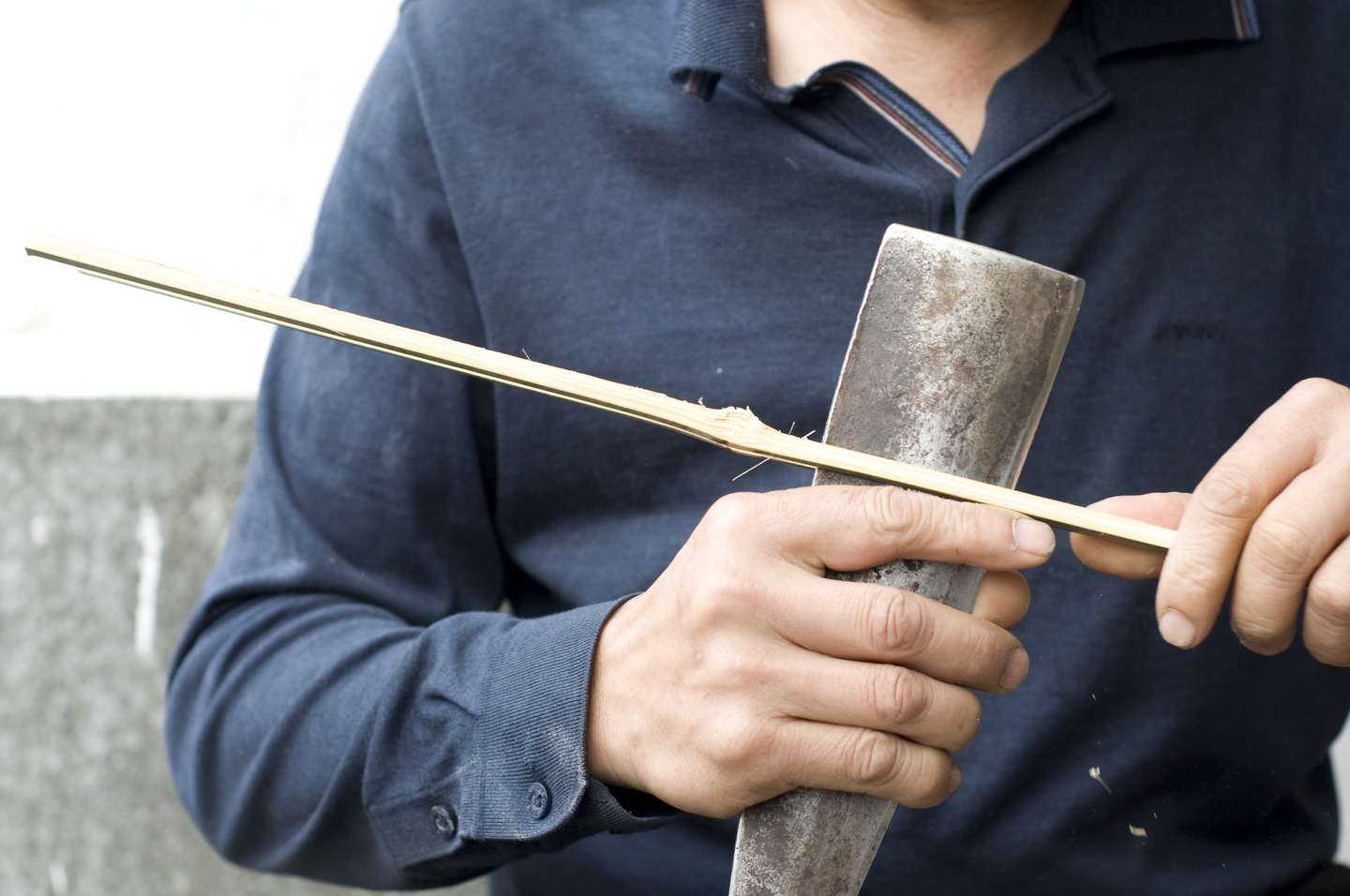
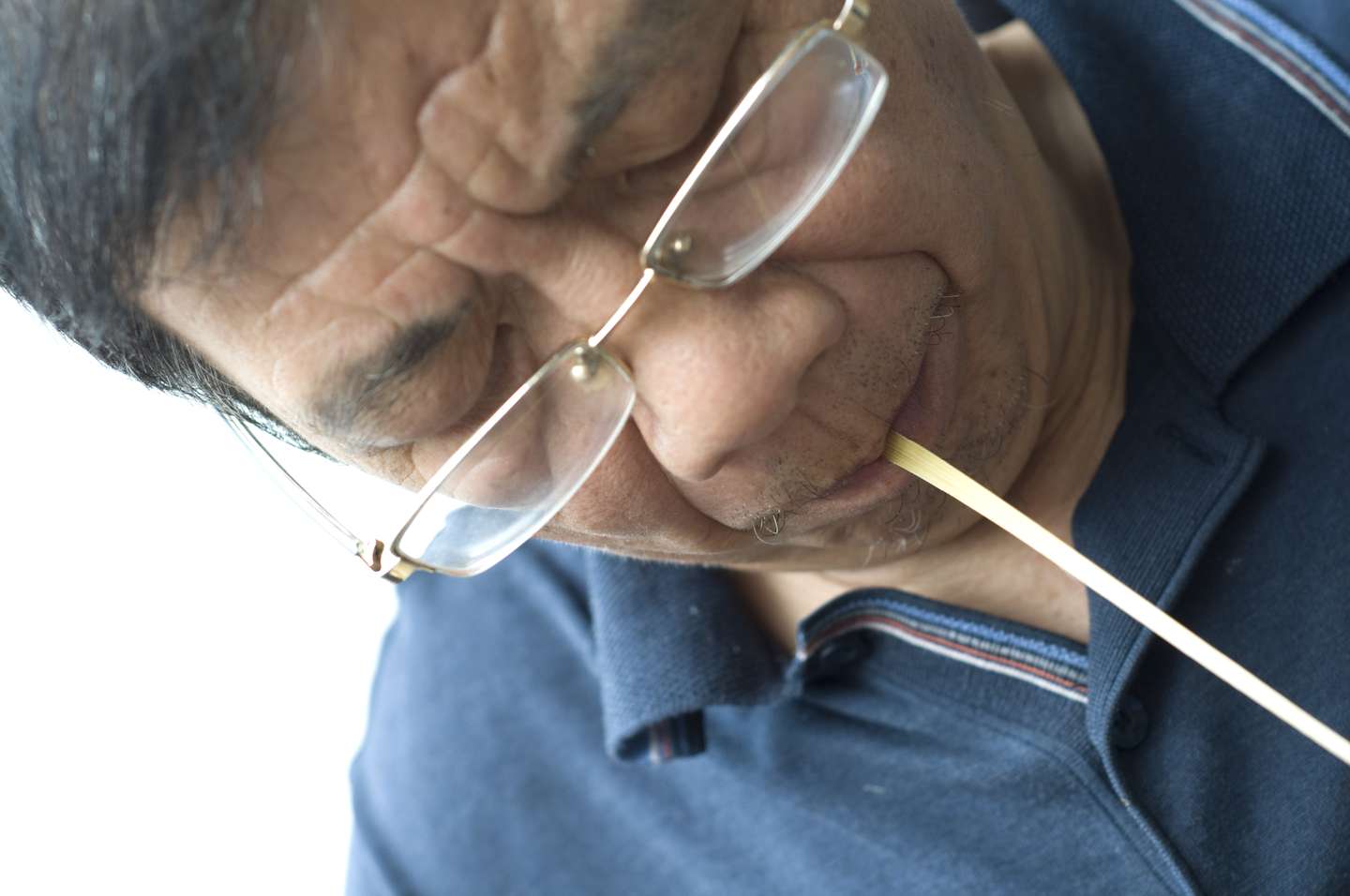
When Master He worked, he did not wear gloves, and his hands had thick calluses, which is also the inherent imprint of most traditional craftsmen.
The thin bamboo strips and the burrs can be seen everywhere, Master He just pulled it with bare hands, without any protective measures, maybe those calluses were protecting him.
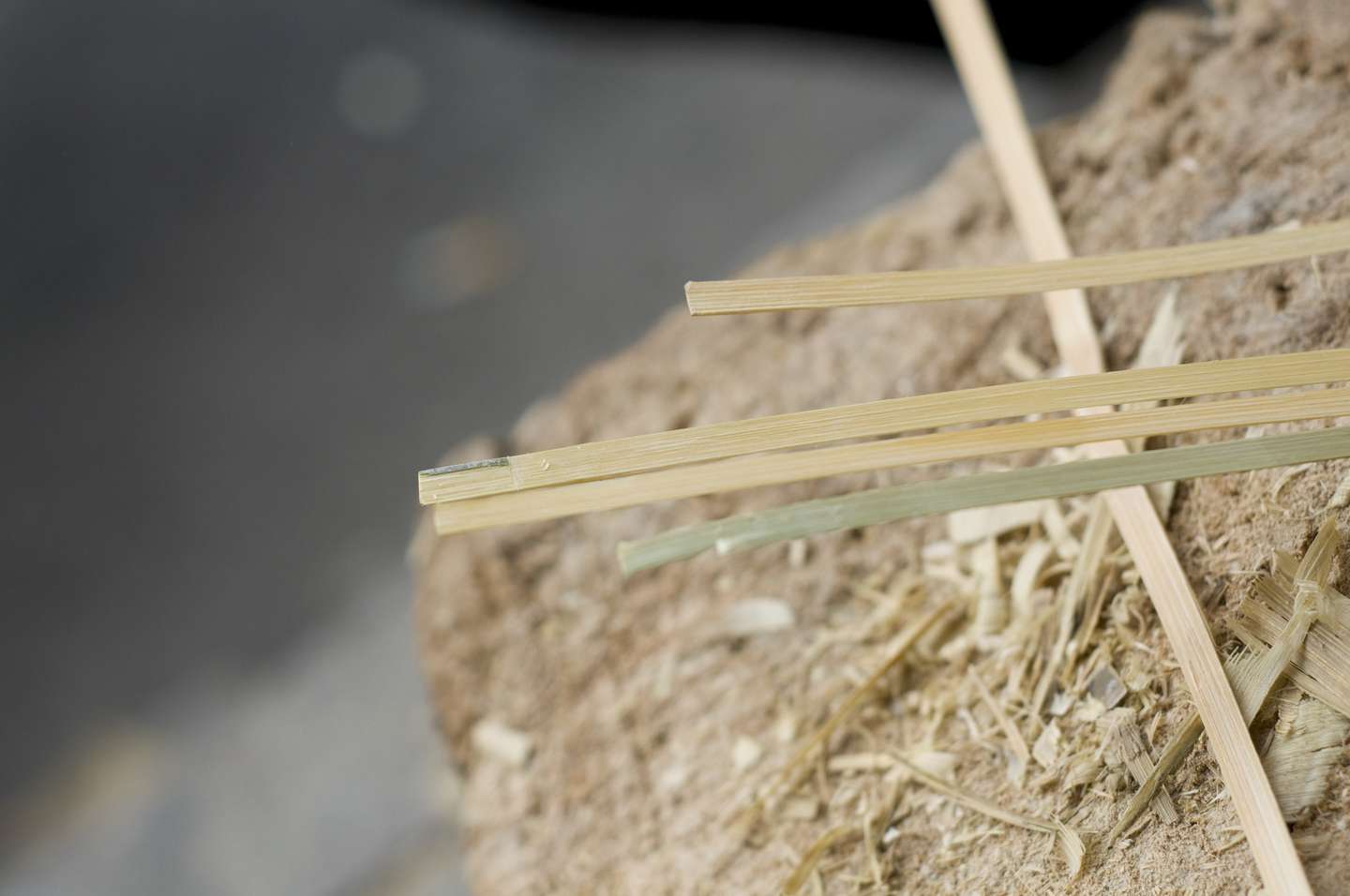
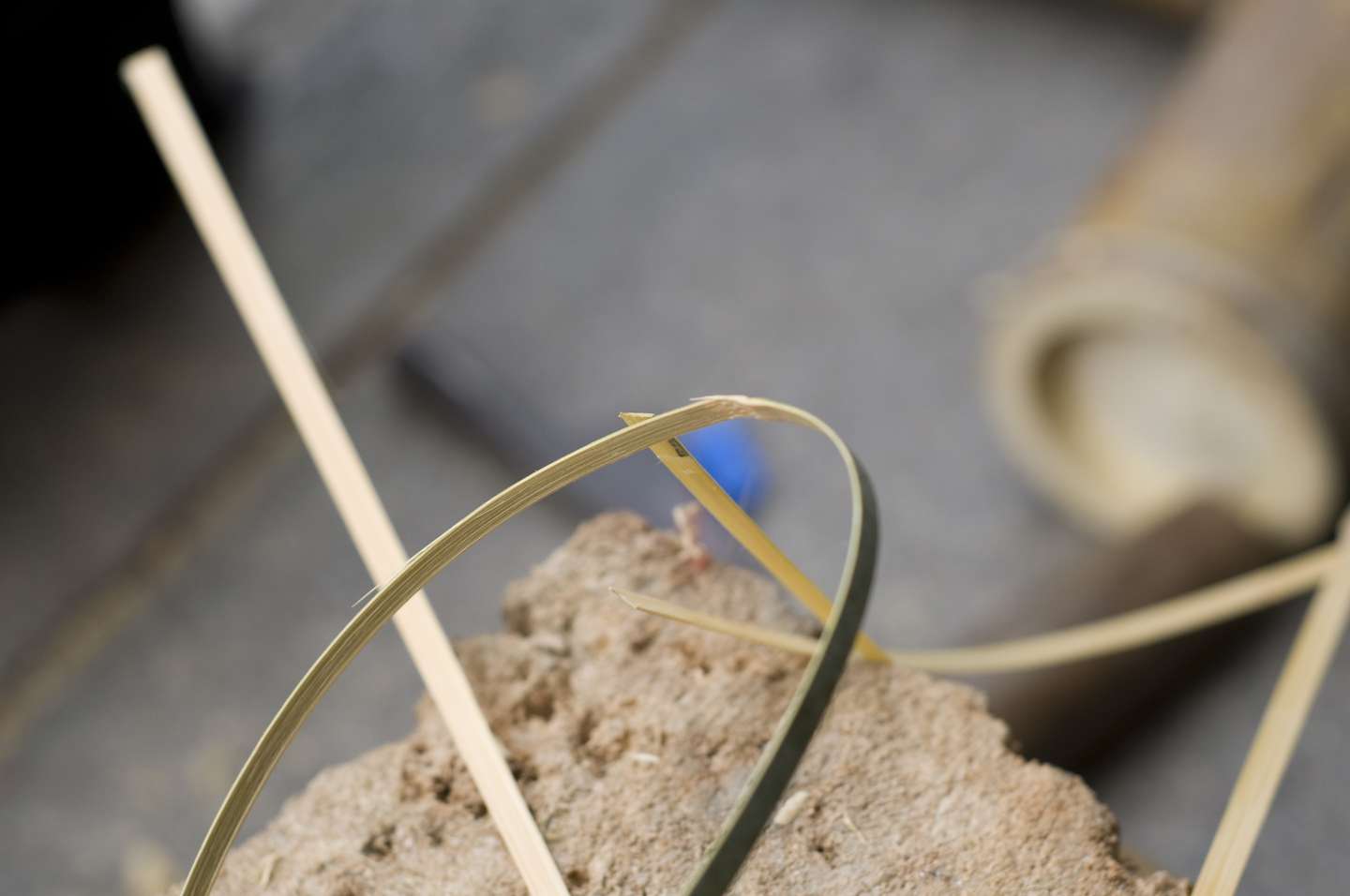
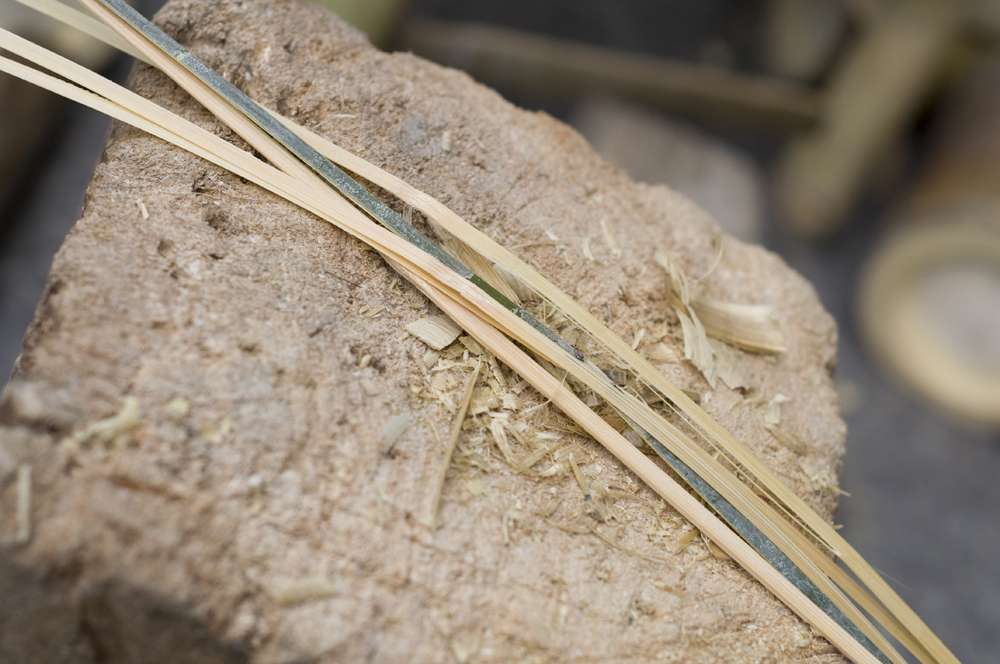
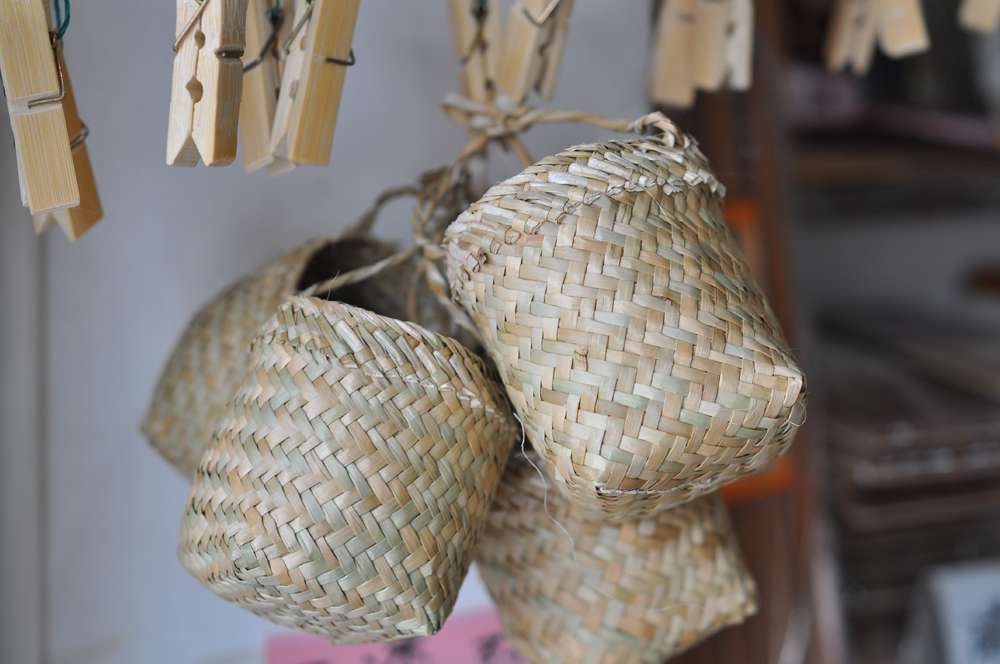
The charm of bamboo weaving lies in its ever-changing creativity. Bamboo strips of different thicknesses are crisscrossed, pressed and intertwined, and shuttled in the hands of craftsmen, weaving bamboo weaving products in various shapes and forms.
“No one is willing to do this for young people now, it’s hard work and earns less.” Speaking of the inheritance of bamboo weaving, Master He seemed helpless, “My son is also unwilling to do it, and now my eyes are not good enough, I will do it for a few more years. , can’t do it anymore.”
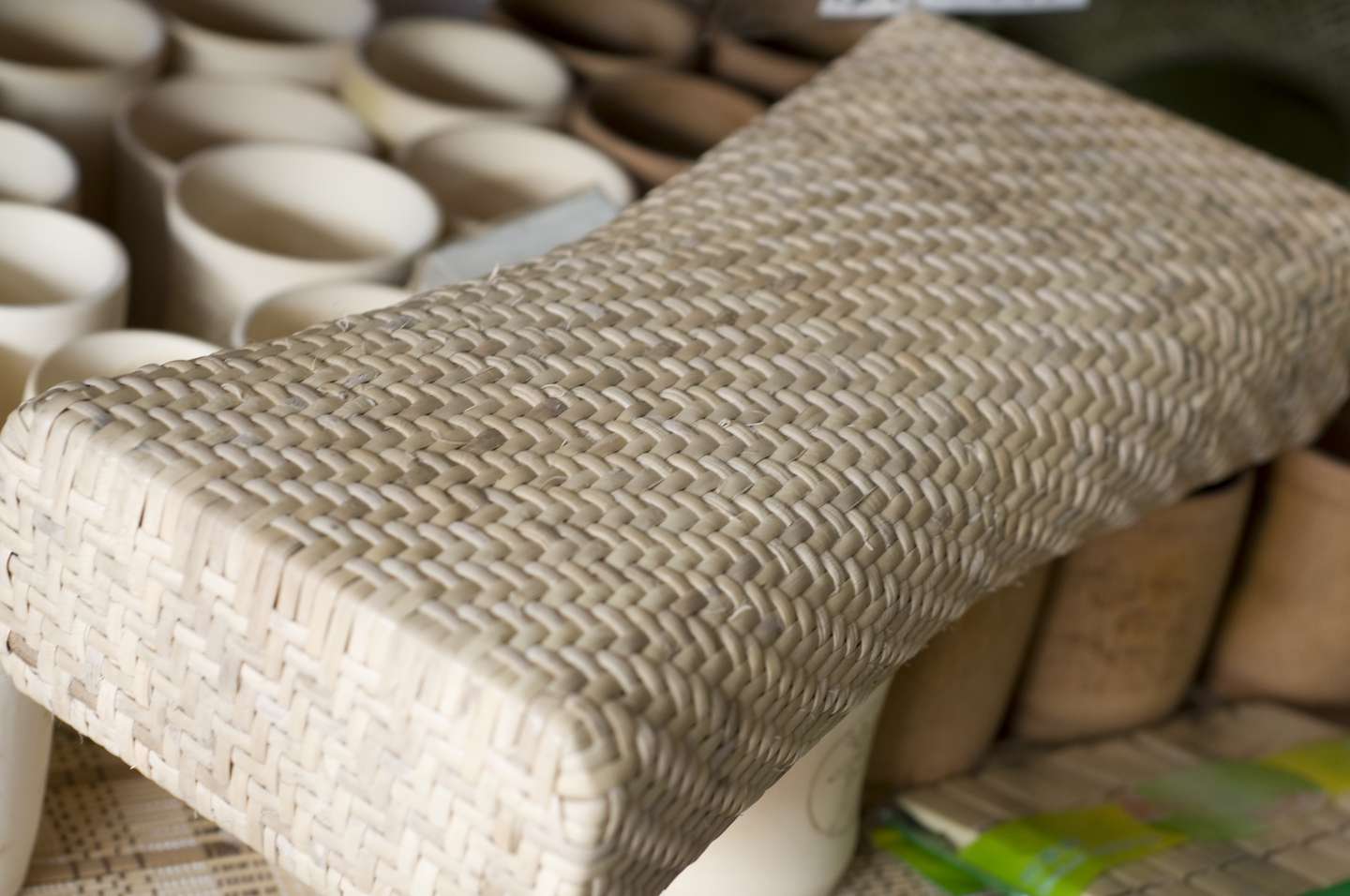
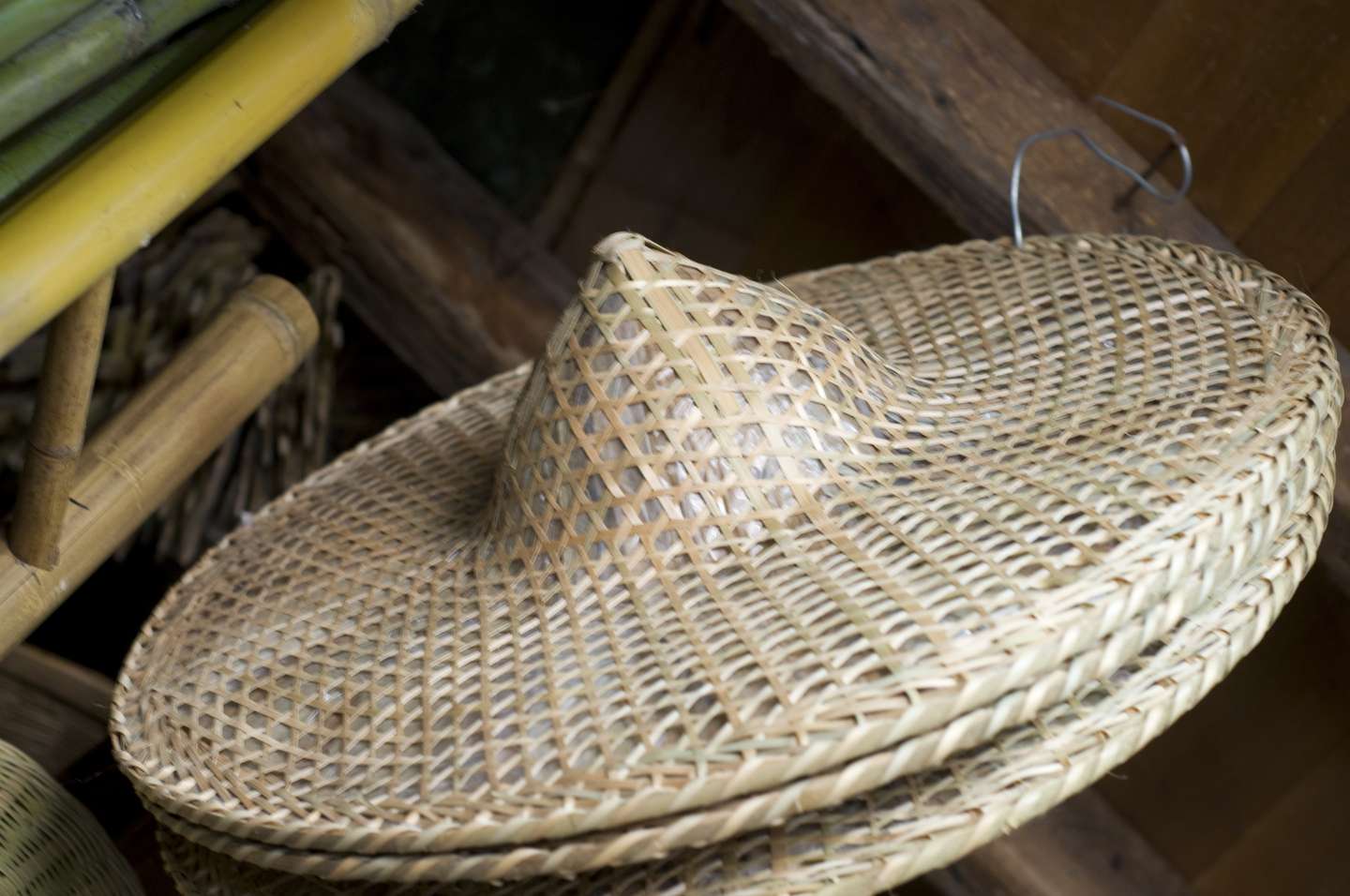
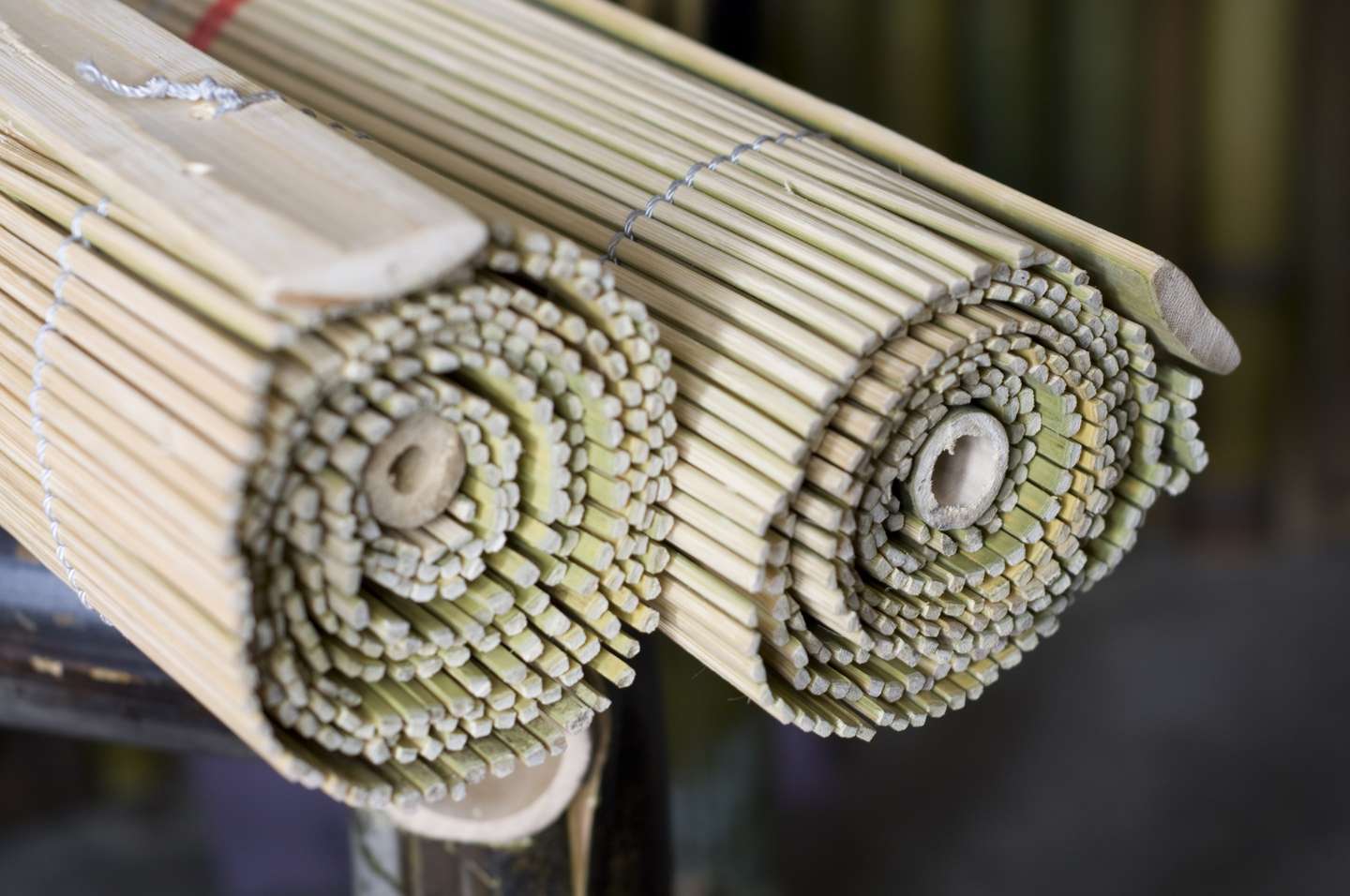
Traditional handicraft is not so much about accepting apprentices to teach skills, but rather a kind of blood inheritance of craftsman spirit. He Minwen completed the inheritance of bamboo weaving craftsmanship, but stopped at teaching skills and no one inherited.
Don’t leave the story in the memory, although the times are progressing, the culture can also continue.


评论
发表评论