Bamboo weaving: a traditional craft from the Neolithic period to the present
Introduction
The busy and noisy modern life has gradually lost many ancient and beautiful things: movable type engraving, ramie weaving, hand-made paper… Bamboo utensils are also one of them.
Once upon a time, bamboo weaving products were still integrated into the lives of the older generation. They were often seen and used in every household and appeared in every corner of daily life. The bamboo baskets that grandma brought to the market, the sewing boxes used, the ones used for drying grains in the sun. Bamboo plaques, small bamboo chairs… Now, their traces are hard to find, and modern people are very unfamiliar with it.
Here, the author wrote this article to briefly introduce bamboo weaving, hoping to arouse the memories of many people.
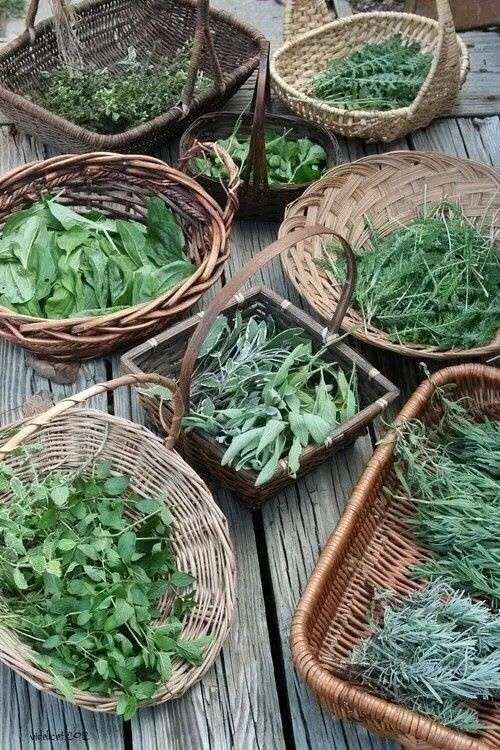
The history and origin of bamboo
The utilization of bamboo has a long history in my country. Su Shi once said: “Bamboo shoots are eaten, bamboo tiles are sheltered, bamboo rafts are carried, bamboo fuel is used for cooking, bamboo skins are used for clothing, bamboo paper is used for books, and bamboo shoes are used for shoes. There is no such monarch for a day.”
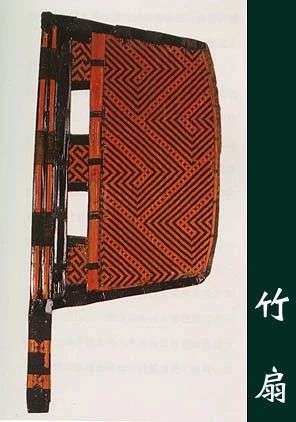
In fact, as early as the Neolithic Age six or seven thousand years ago, our ancestors could use bamboo to weave utensils. By the Warring States Period, the weaving technique had been very developed, and many bamboo weaving cultural relics were unearthed, including bamboo mats, bamboo curtains, bamboo huts (bamboo boxes), bamboo fans, and more than 100 pieces.
In the “Kangxi Dictionary” of the Qing Dynasty, there were more than 960 characters of bamboo radicals, and the 1979 edition of “Cihai” included 209, most of which were the names of bamboo utensils.
These handed down characters represent the long history of bamboo products, such as “basket”, “flute”, “sheng”, “cage”, “xiao”, “hu” and so on…
There are also many poems about bamboo utensils in the famous poems of various dynasties and dynasties:
“Golden Knife Splits Cuiyun, Weave Like Bowen Oblique” – Lu Guimeng’s “Ten Poems of Fenghe Ximei Tea Set”
“The bamboo in the south of the mountain is straight without being supported, cut into arrows, shot and reached” – “Confucianism”
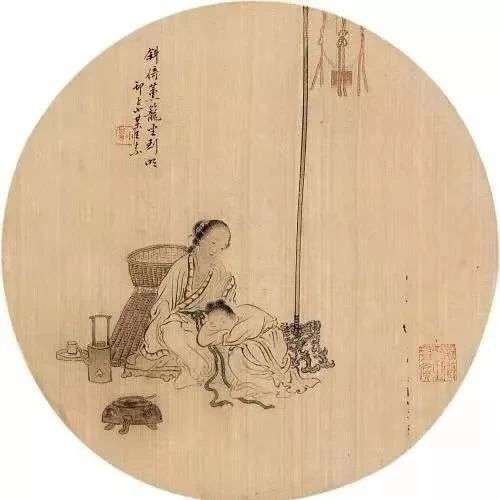
“Paper screen stone pillow and bamboo square bed, tired hands throw away books and dream long in the afternoon” – Cai Que, “Summer Boarding Car Pavilion”
“Bamboo horses rush to rush, and paper kites domineering and the wind chirping” – Lu You, “Guancun Children’s Plays on the Stream”
“The beauty is broken before the old age, and I recline and sit in the cage until the Ming Dynasty” – Bai Juyi, “The Poem of the Harem”
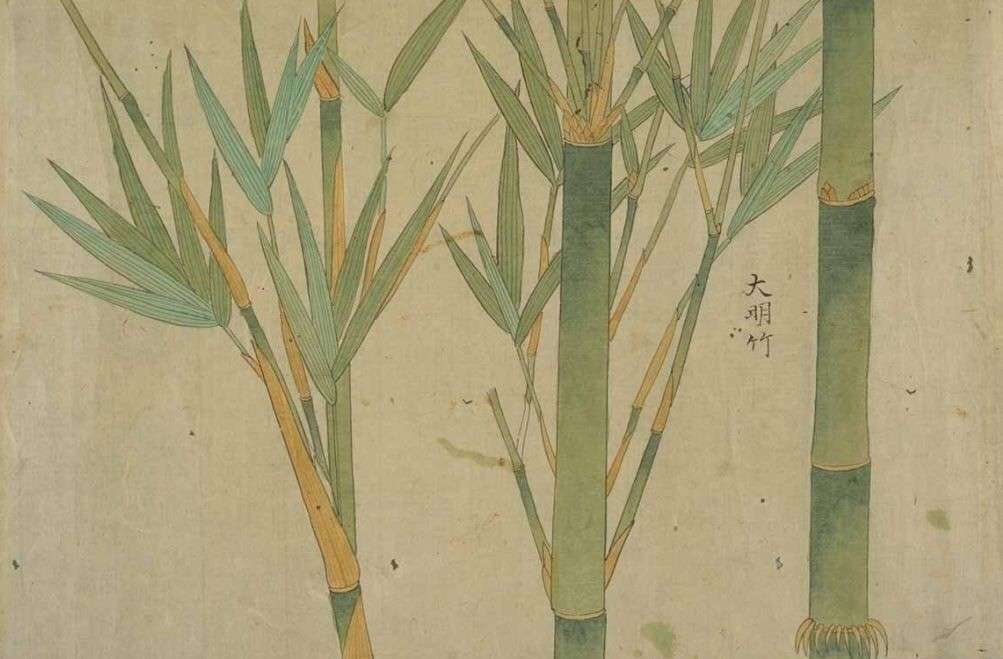
In fact, China’s bamboo not only has a long history, but also grows widely. China is the most important bamboo-producing country in the world, and it ranks first in the world in terms of type, area, stock volume and output of bamboo. There are about 500 kinds of bamboo species in my country.
Such as Nanzhu, Shuizhu, Zizhu, Cizhu, as well as the rare Xiangfei Bamboo, Tortoiseshell Bamboo, etc… Different regions have different bamboo materials. According to different needs, different bamboo products will be produced in different places.
Because of the easy availability of bamboo materials and the practicality of bamboo utensils, bamboo weaving techniques have bloomed all over China. Zhejiang, Sichuan, Fujian, Guangdong and other places have their own unique and representative bamboo weaving techniques. Especially Zhejiang bamboo weaving, after the founding of the People’s Republic of China, has received certain support in the arts and crafts industry that earns foreign exchange through exports, such as Dongyang, Shengzhou, Wuzhen, Hangzhou and so on.
However, with the acceleration of the pace of modern life, hand-made bamboo weaving has gradually become an industry that cannot make ends meet. Today, there are not many master craftsmen who insist on it. With their superb craftsmanship and tenacity, they are still persisting and inheriting. The author himself is also fortunate to study with a master, not only learning the traditional bamboo weaving skills, but also comprehending the clear heart of inheritance.
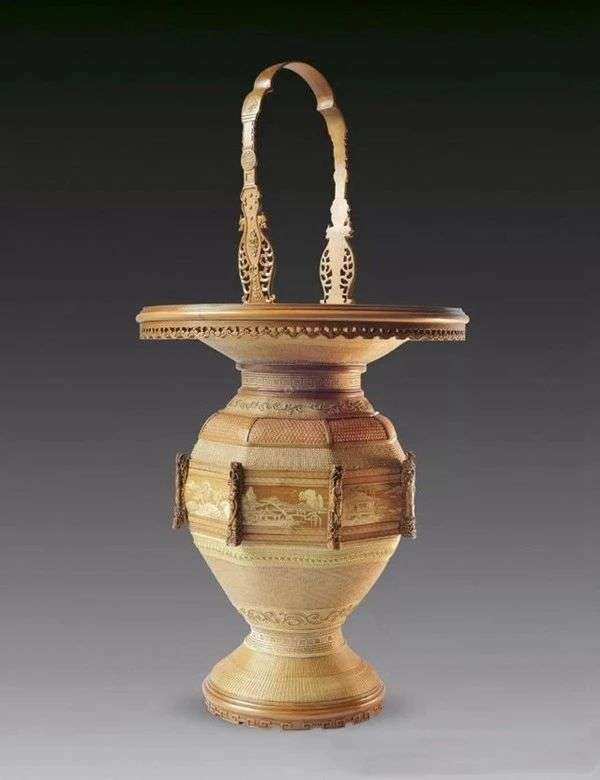
The production process of bamboo weaving
The bamboo cutting season is usually between the beginning of winter and the beginning of spring, when the weather is cold and dry, and the bamboo structure is tight. It is less prone to insects. The selected bamboo is generally three or five years old. If it is too early, the strength will not be enough, and if it is too old, the toughness will be poor.
Specifically, there are more categories. For example, moso bamboo takes two years as a period, and uses Hsinchu, green skin, furnace and white skin to represent the bamboo materials from the first to the fourth period. According to different needs, bamboos of different ages are used.
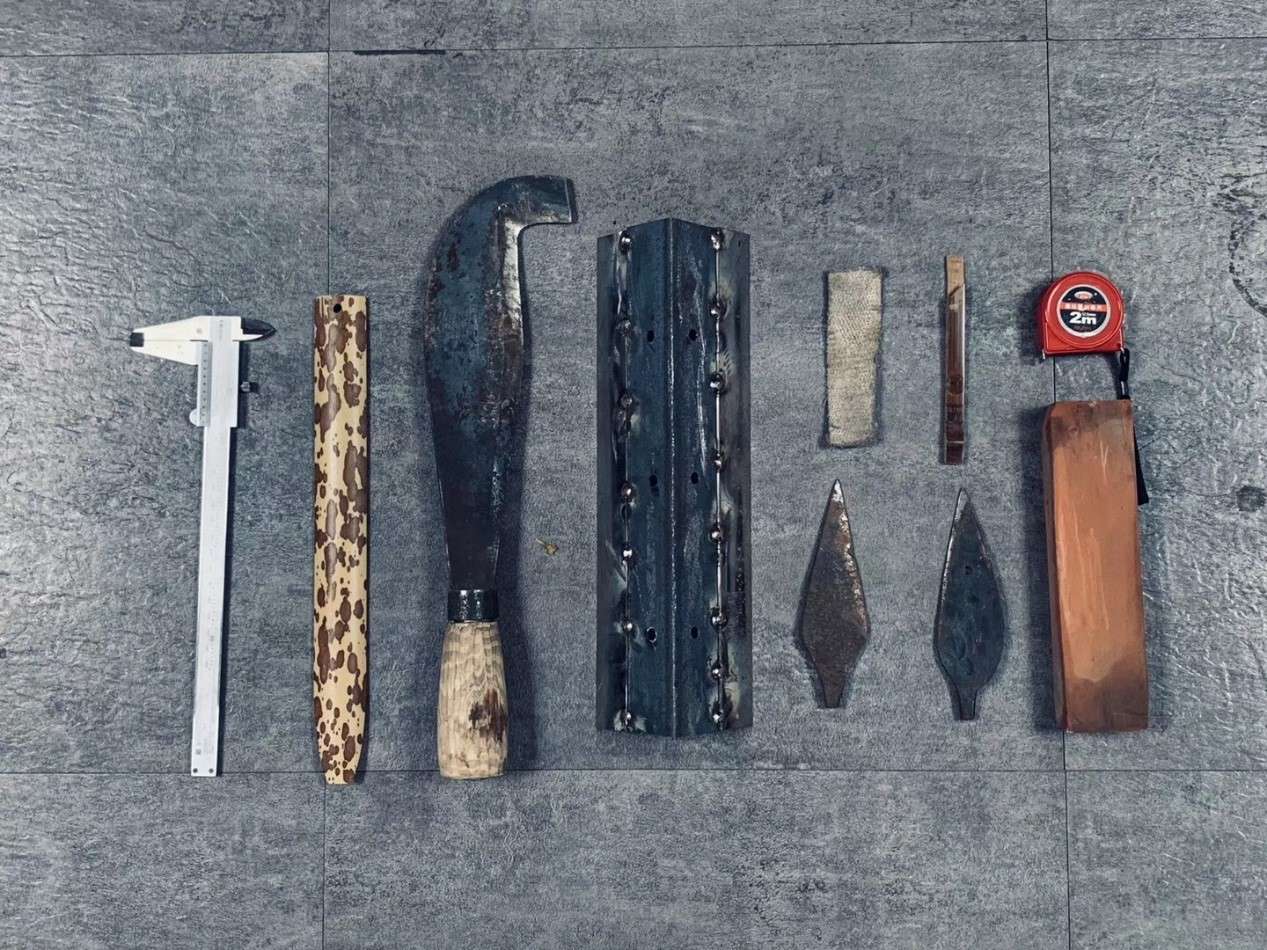
After the bamboo is felled, it has to go through several steps such as splitting the bamboo, rolling the knots, scraping the green, breaking the bamboo strips, and passing the sword gate before it can be turned into soft and light strips for weaving. In order to make the bamboo strips tougher and more durable, they have to go through multiple processing processes, including carbonization, cooking to prevent moths and mildew, and dyeing paint to enrich the color. Make it suitable for various needs of bamboo weaving.
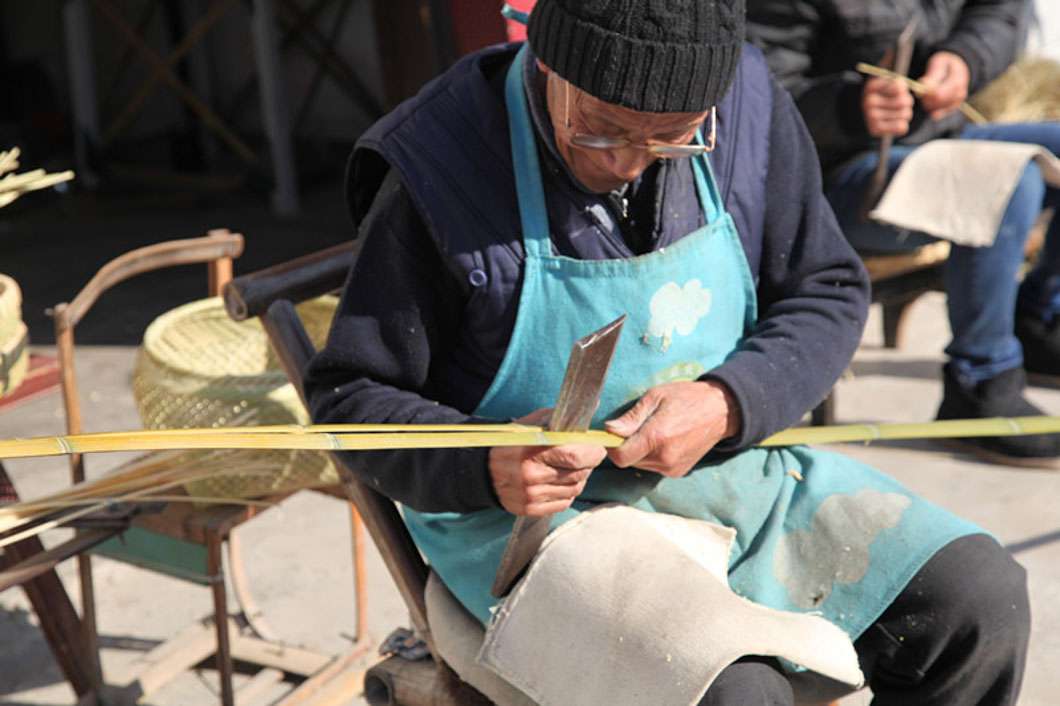
Although there are machines that can assist in splitting the bamboo, it will damage the original fiber structure of the bamboo, so the strips that are actually woven into the utensils are all split by hand. Not only that, but almost the core important technological process of bamboo weaving is done by hand. It truly embodies the beauty of craftsmanship and the beauty of craftsmanship.
Bamboo weaving is mainly divided into plane weaving and three-dimensional weaving. The specific techniques include cross weaving, such as pick one and press one, pick two and press two, hexagonal weaving, triangle weaving, twisted silk, chrysanthemum bottom, inserting ribs, snowflake weaving, monk head and so on. coding.
Complicated craftsmanship tests skilled skills and eyesight. It is not completely counted. There are more than 200 kinds of bamboo weaving skills handed down. Naturally, no one can master them all. At the same time, the superb bamboo weaving masters are still innovating. middle.
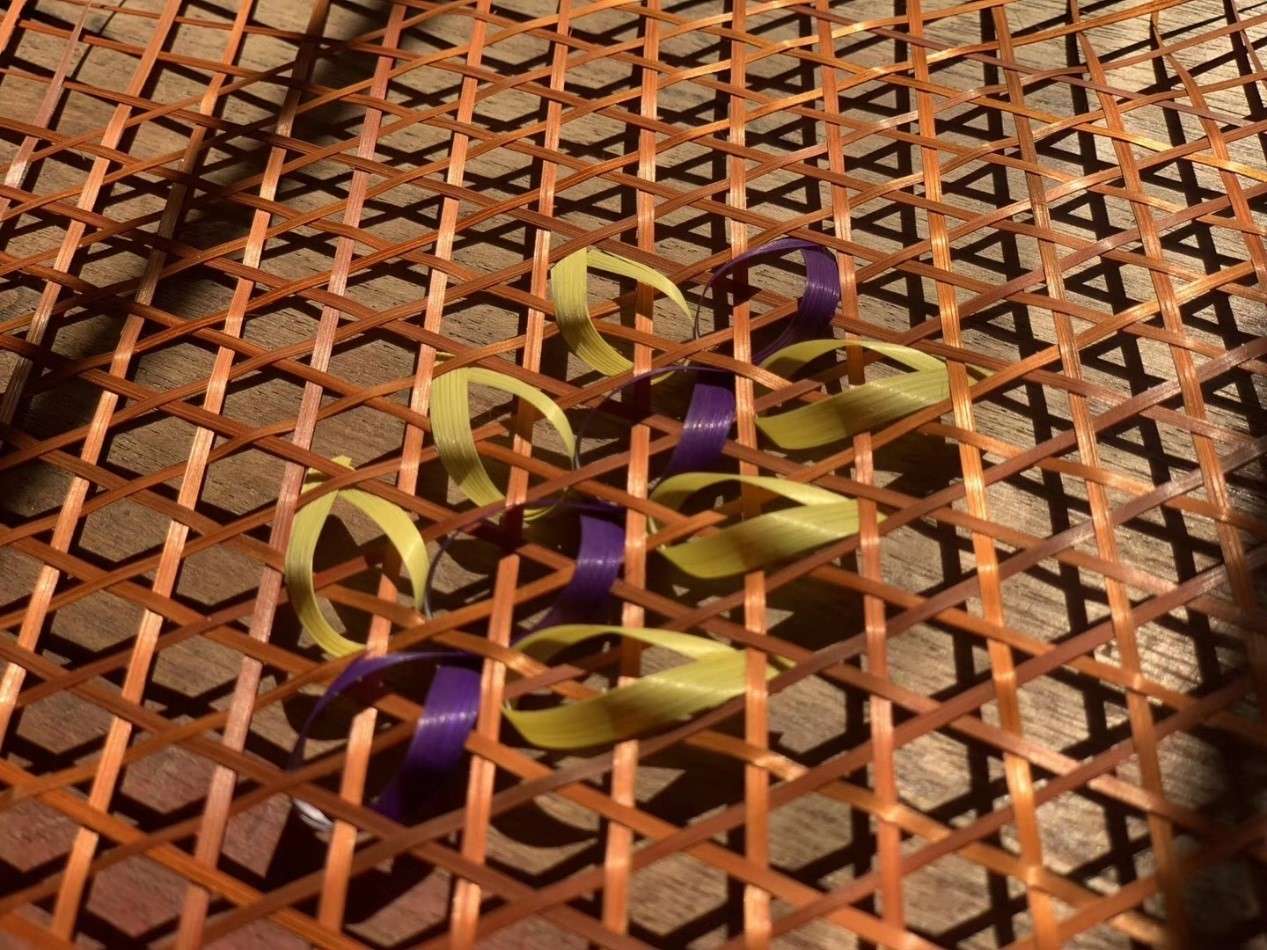
The bullet in the picture above is a flat string inserted on the surface of the woven body. The main styles are herringbone bullets, pineapple bullets, peacock tails and so on.
For thread threading, first weave a hexagonal braid with flat strips, and then weave one or more layers of silk on it. Commonly used plum blossom thread, snow thread thread, diameter thread thread, square thread thread, etc.
Due to cultural gaps and lost traditions in various regions, bamboo weaving needs us to organize, describe and inherit.
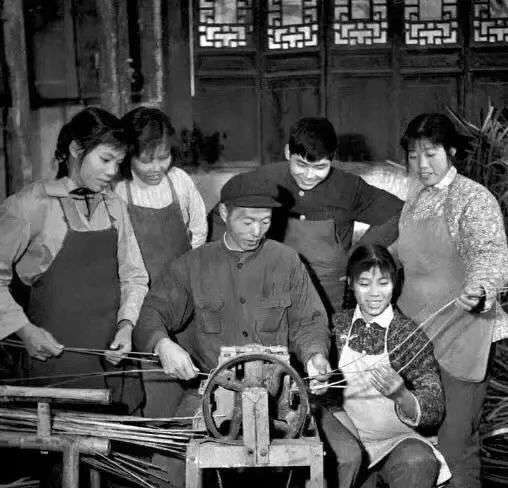
How to appreciate a good bamboo weaving utensil?
As people re-emphasize traditional culture, the appreciation and collection of bamboo weaving utensils have also begun to enter the public’s field of vision. Compared with porcelain, calligraphy and painting, etc., the price of good classical bamboo is not high, but also has practical value, and it is also suitable for starting and collection.
In short, a good bamboo weaving utensil is flat and firm, light and tough. Looking closely at the utensils, we mainly look at three points:
The first is bamboo strips. Different weaving methods and different utensils have different requirements for bamboo strips. The bamboo skin is tougher and suitable for load-bearing structures. The bamboo yellow (inside) is softer and suitable for winding patterns. The most suitable bamboo strips must be used for delicate items, and bamboo strips of different thicknesses should be used according to the latitude and longitude, the turning point, and the shape of the vessel.
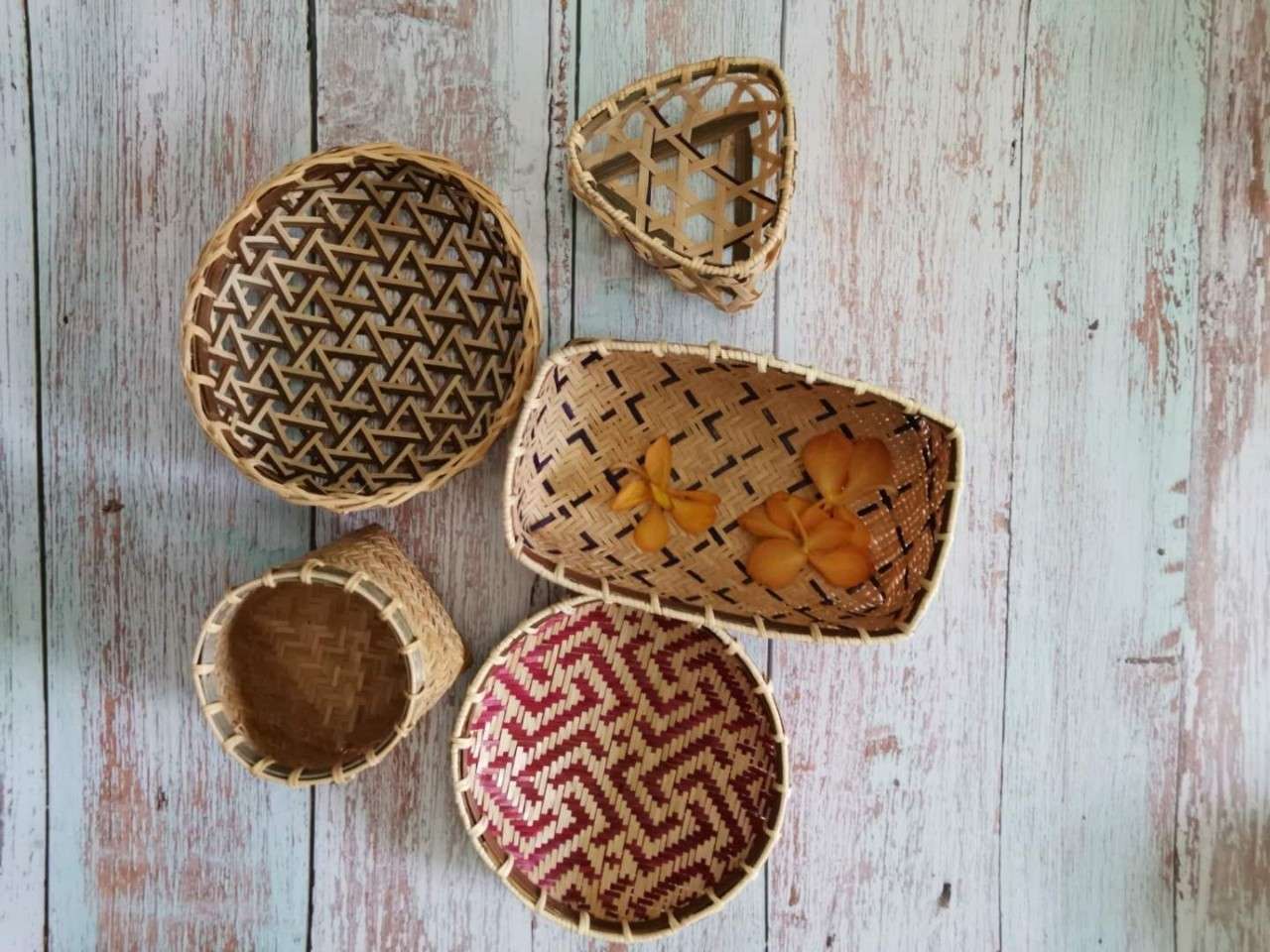
The second is the weaving method. Bamboo weaving methods include hexagonal weaving, twisted silk weaving, cross weaving, etc. It is said that there are more than 200 weaving methods handed down. A good utensil will adopt different weaving methods according to the craftsman’s creative intention, which is neither complicated nor too rough, resulting in different expressions and postures.
The third is the closing. The whole process of bamboo weaving is handmade. The closing is similar to the final chapter of the music. The width of the rattan used for wrapping rattan is usually only one or two millimeters. Even the mouth of a small utensil needs to be constantly reciprocated, twisted multiple times, and needs to form a symmetrical and neat pattern. The exquisite finish represents the craftsman’s perseverance and ultimate attention to detail.
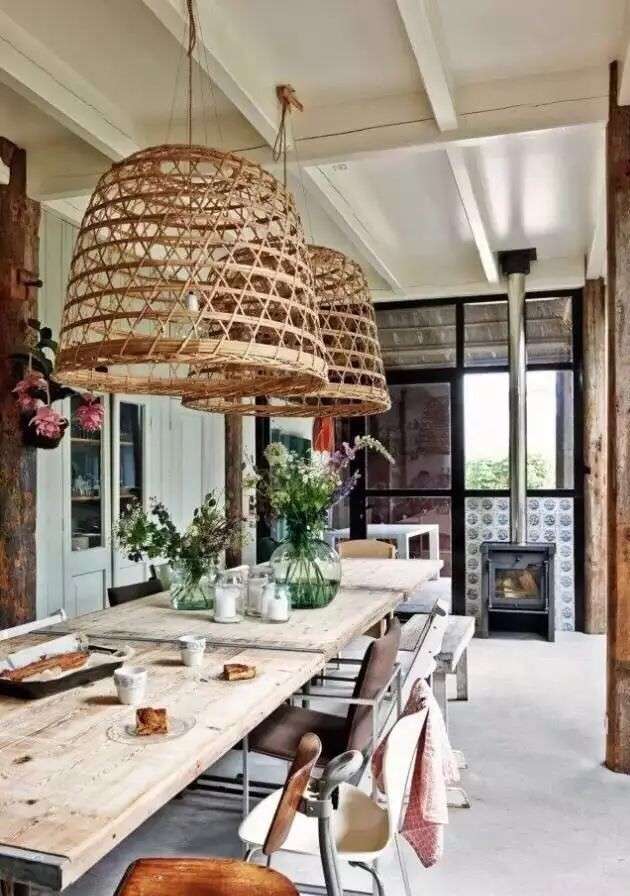
Bamboo utensils, like wooden utensils, are gifts from nature. The simple and warm materials make people feel close. Moreover, it is light and tough, and the utensils are varied and can be used at will in daily life. Bamboo utensils originate from nature, are used in life, and belong to nature without leaving traces. Bamboo weaving is also a beautiful craft, and it is a pity to let it disappear.
Modern people’s attention to nature, the requirements for quality of life, the appreciation of handmade thoughts, and the imprint of tradition are the best reasons for bamboo weaving to return. In this article, I hope to bring bamboo products back into the life of readers, carrying the little touches of every moment in life.
Postscript
There is such a text in “Kaogongji”: “Those who are knowledgeable create things, those who are skillful describe them, and those who preserve the world are called work” – a real craftsman, not only simply making, but creating, recording, and persevering. Not a single step can be defaulted. These manual skills have been passed down by our ancestors and taken over by us, with the growth rings of the years, the thickness of the water and soil, and the temperature that we feel, and then passed on to more people.
OC: https://bboors.com/bamboo-weaving-a-traditional-craft-from-the-neolithic-period-to-the-present/


评论
发表评论